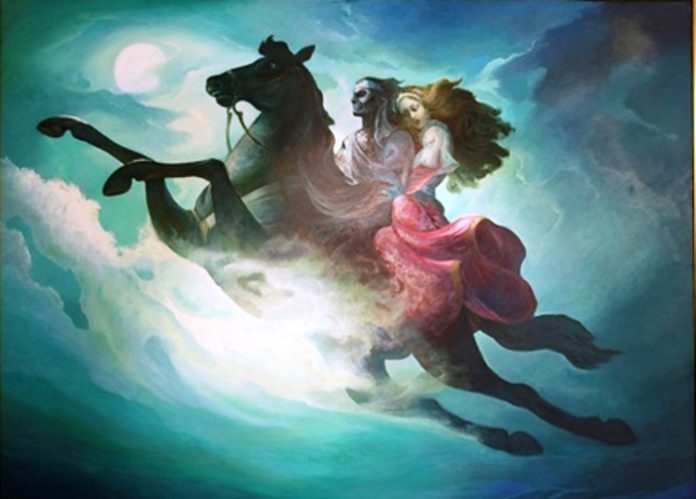
This is the story of a very beautiful girl, the youngest sister among twelve brothers. She was so beautiful and virtuous that she had no equal, so none of the suitors dared to ask for her hand in marriage. One day, a foreign warrior, handsome and strong, but from a distant land, came and asked for her hand. Her mother and eleven brothers were against their marriage, but Kostandini, the twelfth brother, seeing his sister’s wish, asked his mother to accept...
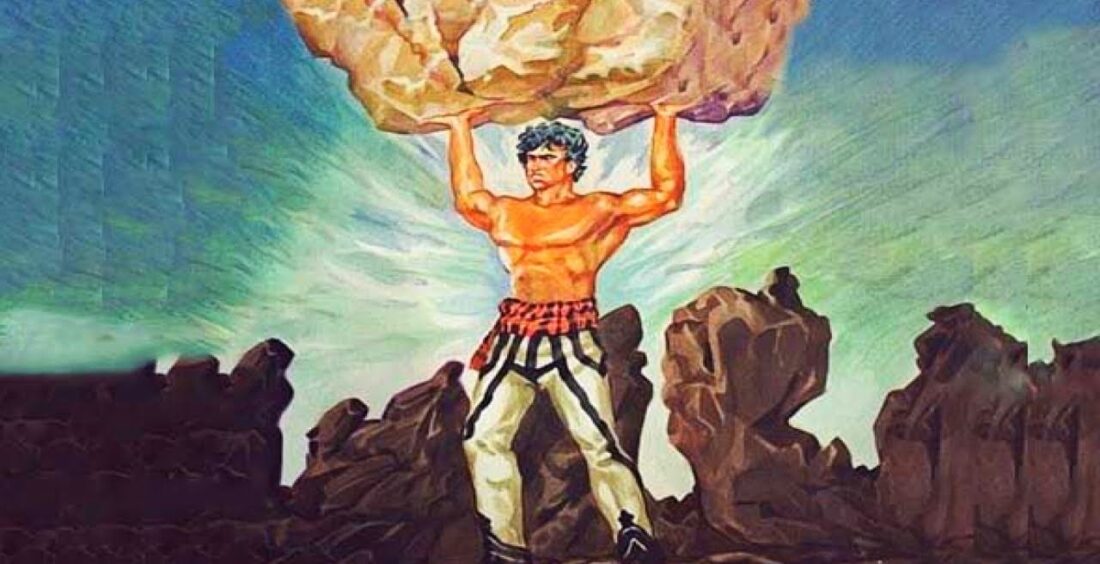
In this legend, it is said that once upon a time there were two brave brothers who had spent their whole lives fighting with swords and spears. The biggest and most powerful had been Muji. Halil had been the smallest and most flexible. Muji had been so strong that when a passer-by had asked him where such and such a village was, Muji who had been plowing the field had raised his hands together with the plow and plow ox in the...
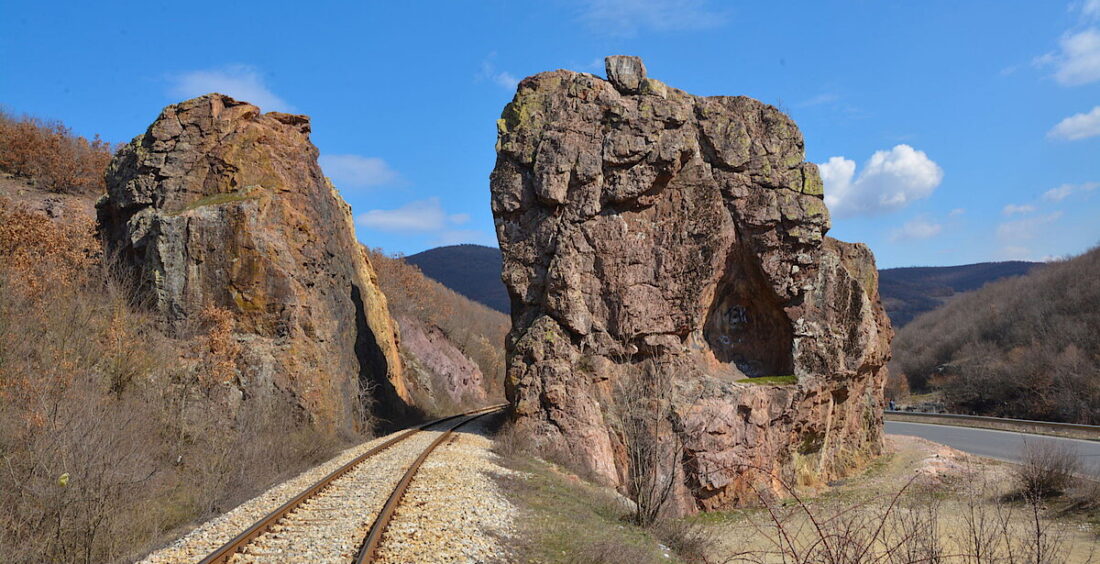
According to Albanian legends, an old woman went to the mountain to graze the cattle and seeing the warm and sunny weather said: “Now I will graze the cattle for fun. Goodbye winter, stick to the devil“. At this moment, April (or March) said: “February, my brother, lend me three days to freeze the old woman.” Soon after, legend says it got so cold that the old woman froze with all the cattle on the mountain, turning into rock. Mount Tomorri is...
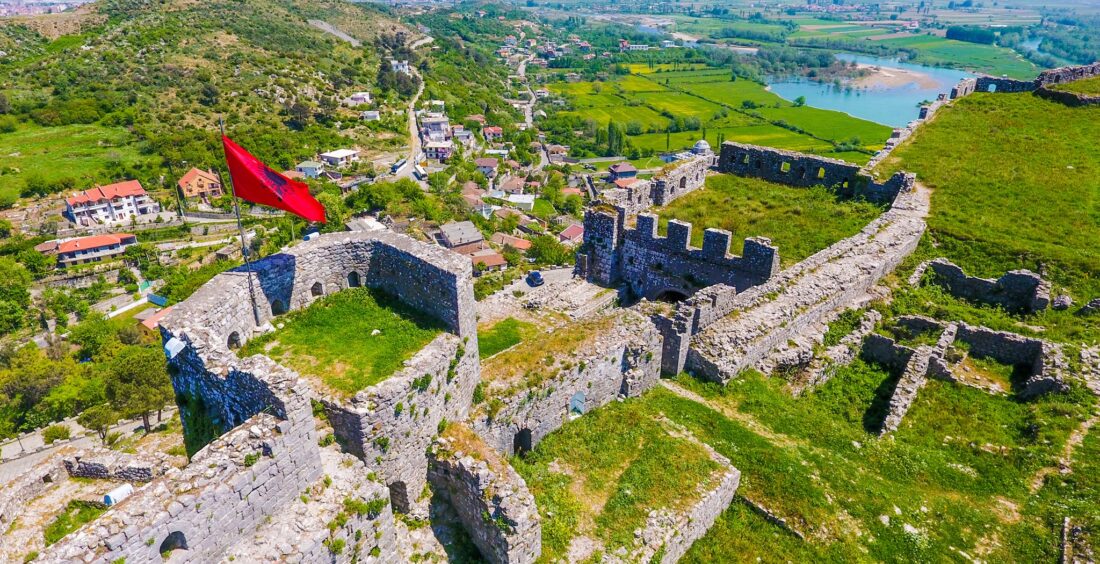
The magnificent castle located in Shkodër holds one of the most interesting and saddest legends of the country. It is about three brothers married to three women who lived in northern Albania. The three brothers worked day and night to build a fort, but every time they finished the work, the walls of this fort collapsed. One day, an old man told them that there was a way to stop the walls of this castle from collapsing, one sacrifice and this...
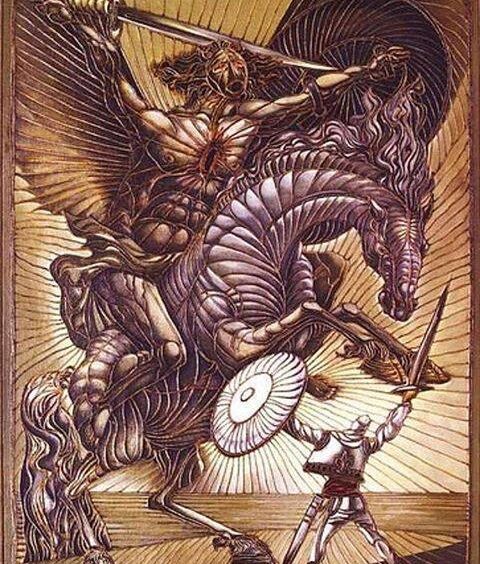
It is said that here was a mountaineer named Gjergj Elez Alia, who had nine serious wounds on his body and was on his deathbed. He had fought a lot against foreign oppressors, his mother and father had died, but he had a sister who took care of him day and night. Being in this situation, a black whale, a brave one, came out of the sea. This barrage ruined and destroyed the country, cutting down all the brave who have...
Once upon a time there was such a strong wind that it shook the sea from the bottom and the sea brought out a snake. A cloud fell and threw the snake on the mountain of Sopot. The giant snake ate animals and people and destroyed crops. Until an old man got up, loaded a donkey with sacks of straw and went near the cistern and set the straw on fire. When the snake ate the donkey, the fire inside...
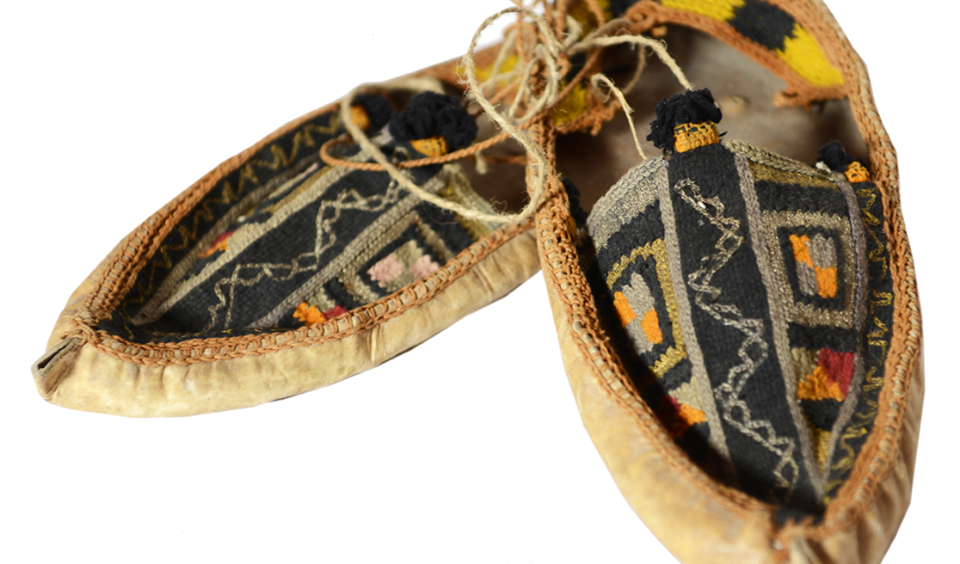
Folk costumes have been elaborated over the centuries, preserving ancient features related to the early Balkan and Mediterranean cultures, to the Illyrian and Arbian cultures of the Middle Ages. The opings used by the Albanians represent a very ancient element of folk clothing inherited from an old Illyrian substrate. In the simplest variants, they are made of a single piece of leather which makes up both the bottom and the top, covering only the toes. With a system of leather straps and...
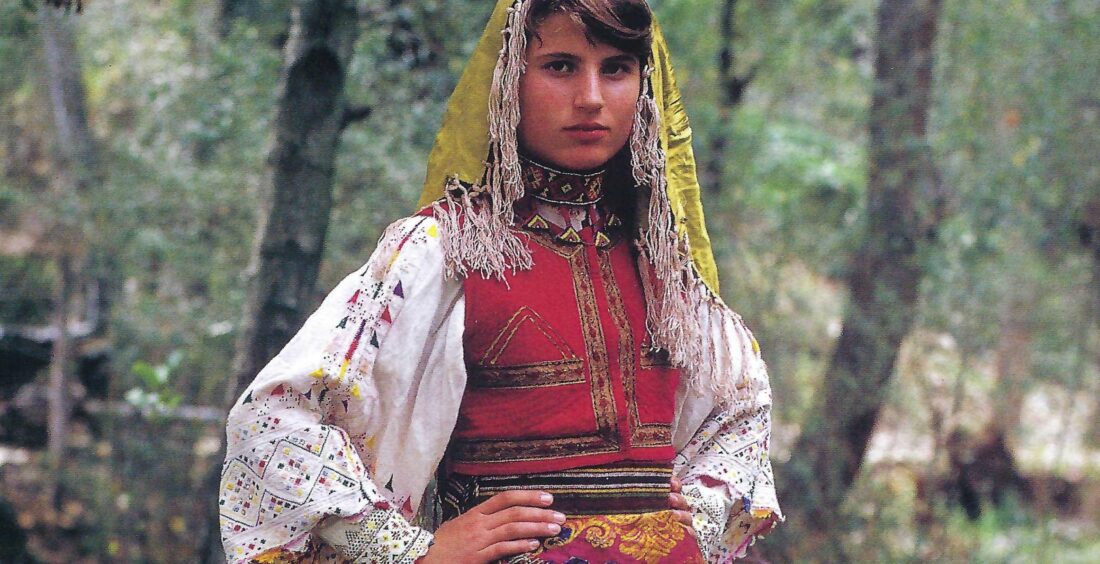
In the district of Vërçë, the grave dressing is visible until World War II and in a village and later. Its main part was the line, the wide skirt of cotton fabric and the waistcoat, the front of which was decorated with metal coins. The women of Vërca wear simple scarves on their heads decorated with beads, beads and sequins. Under the influence of the Islamic religion in this Muslim area, they also have dolloms, jhybes (xhybe), and a part of tumans. #foogallery-gallery-10380 .fg-image...
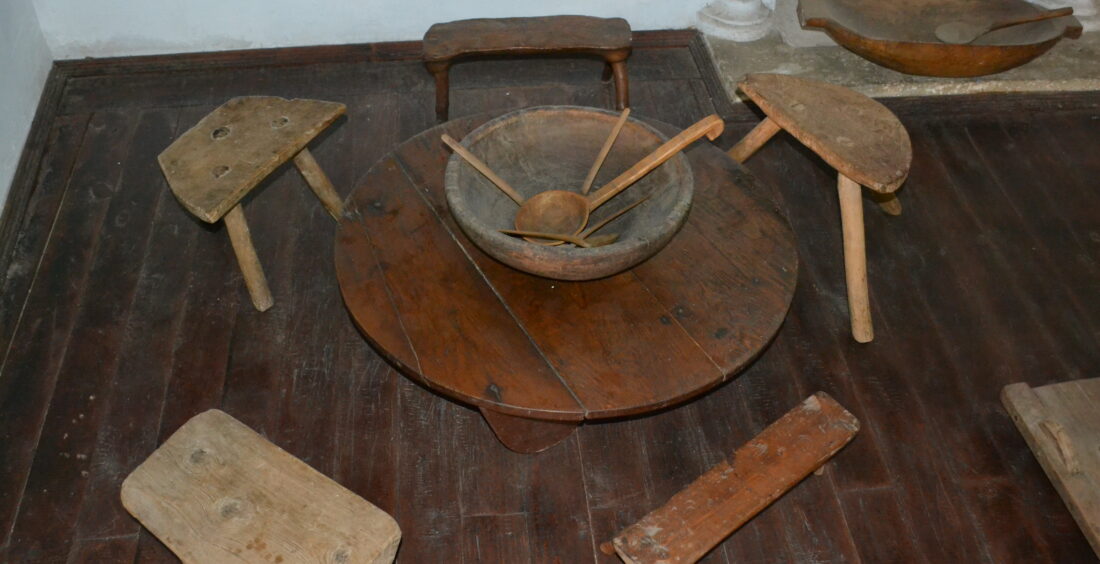
In the XVI-XVII centuries, as evidenced in several documents, when Albanians sat down to eat, in most cases, they used wooden tables of different sizes. Until the First World War, there were still deep, poor areas that used wooden bowls, spoons, and water containers. In the more developed areas, along with glazed ceramic vessels, such as pitchers, bardhaks, vorbes, jugs and pots, corn jars, and bowls, they also used copper vessels, but well tinned, as well as brass saucers. In the village,...
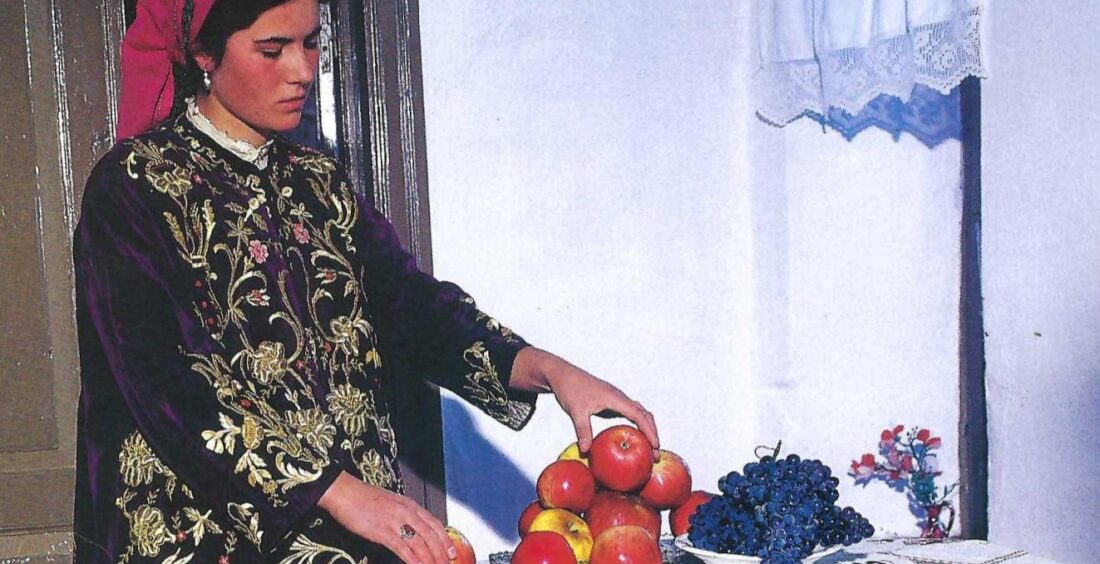
The city of Leskovik was inhabited by a wealthy class, consisting of landowners who maintained relations with the most prominent cities of Albania and beyond. The clothing of the wealthy women of this city is distinguished by long velvet dresses adorned with gold threads, or velvet skirts and jackets. These outfits were accompanied by embroidered vests and belts with gold. In Leskovik, Muslim women also wore çitjanet (a type of trousers), accompanied by dolloma (a type of robe), xhybe (a long outer...