Just a few kilometers from the city of Dibra, nestled in the heart of the mountains, lies the village of Rabdisht—a place where the strength and perseverance of Albanians from remote areas have shaped remarkable works of art throughout history. Upon entering the village, visitors are immediately captivated by its cobblestone streets, stone sockets, grand wooden doors, and traditional stone structures, all of which define Rabdisht’s unique character. Ancient pathways, still in use today, wind through fields and meadows, past streams, waterfalls,...
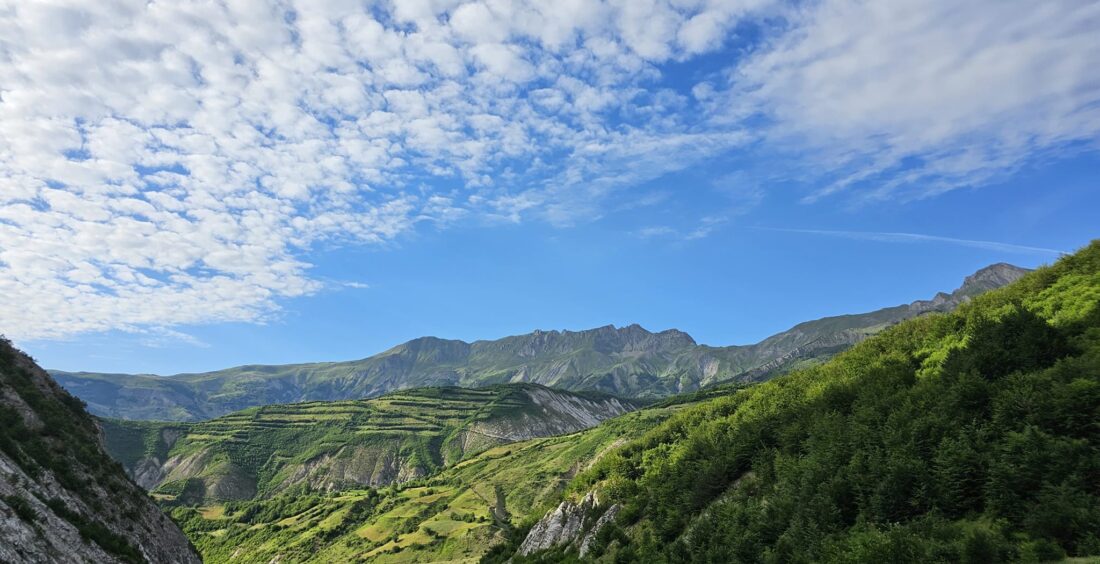
Polis Mountain, with its vibrant colors and enchanting landscapes, stretches from the Shkumbin Gorge in the north to Sopot and the Cave in the south. It is distinguished by its highly complex terrain, where elevations above 1,000 meters dominate. In its overall appearance, the mountain resembles a vast, rugged limestone slab, deeply fragmented and surrounded on all sides by steep slopes. Due to the development of karst formations, vegetation on the ridge of Polis Mountain is sparse. However, in more...
Pogradec Lake is a place of breathtaking beauty in every season, resembling a scene from a fairy tale. It is one of Albania’s most precious and unique natural assets. The lake is part of the larger Lake Ohrid, situated within Albania’s borders and extending into North Macedonia. It is distinguished by its remarkable diversity of landscapes, ecosystems, and natural contrasts. The region includes Lake Ohrid (a UNESCO World Natural Heritage Site), the Pogradec Basin, the Çërrava Threshold, Dry Mountain, and...
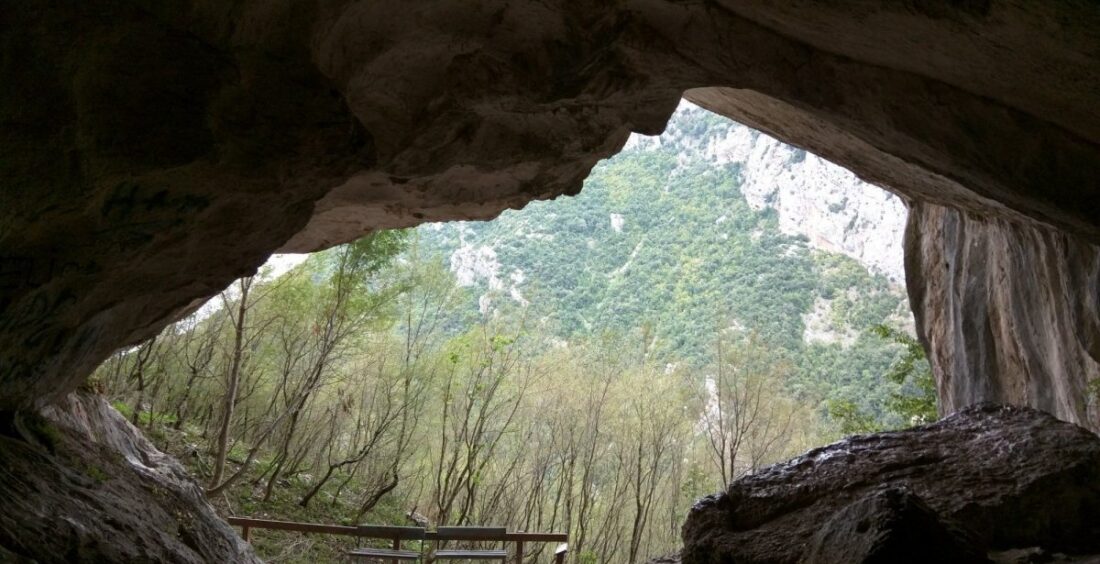
The Black Cave, also known as Pellumbas Cave, is located 650 meters above sea level and is considered one of the rarest karst caves and prehistoric settlements in Albania. It served as an Illyrian settlement, and skeletal remains found within the cave, according to the Museum of Natural Sciences at the University of Florence, belong to the cave bear (Ursus spelaeus), which lived between 400,000 and 10,000 years ago. Unlike similar karst caves in Europe, this cave also contains human remains,...
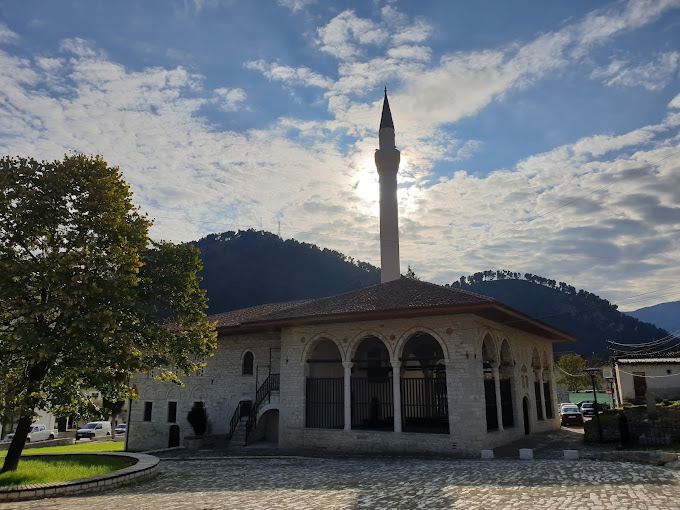
The King’s Mosque, also called Bajazit’s, is one of the main mosques of the city of Berat, declared a cultural monument since 1948. It was built by Sultan Bayazit II, at the end of the XV century. The mosque consists of prayer hall, portico and minaret. The prayer hall has a rectangular layout. It is separated by arcades of three arches that rest on two pillars and two pilasters on the side walls. The hall is covered by a plank ceiling, which is divided...
The 2,500-year-old city of Shkodra is known for its rich cultural heritage. Among the many elements that shape its cultural identity, one of the most distinctive aspects is its artisanal tradition. This craftsmanship has developed over time in various forms, particularly in working with materials such as wood, metal, and leather, which were traditionally crafted by men. Meanwhile, women specialized in embroidery, creating intricate designs on clothing, bed sheets, pillows, tablecloths, woven fabrics, and carpets. The artisanal products of Shkodra are...
Albania is renowned for its incredibly rich tradition of handicrafts, crafted for centuries by master artisans across its provinces. Wood, iron, copper, alabaster, gold, silver, leather, wool, and woven or embroidered fabrics all hold significant cultural value, serving as tangible proof of the nation’s identity. These handicrafts attract great interest from visitors, as well as local and international researchers. Lezha is particularly known for its long-standing tradition of craftsmanship, especially in the regions of Zadrima and Kallmet. This area showcases a...
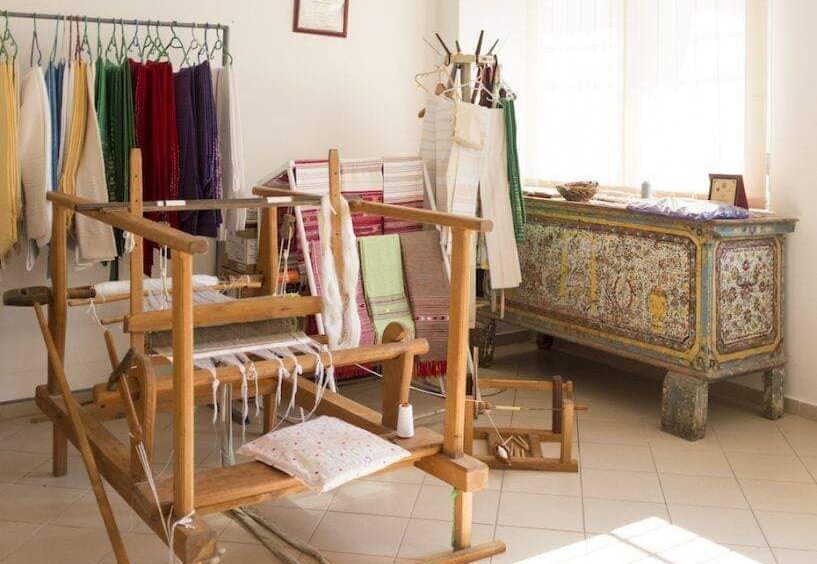
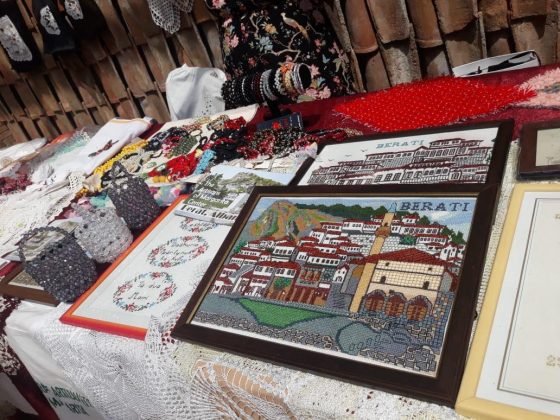
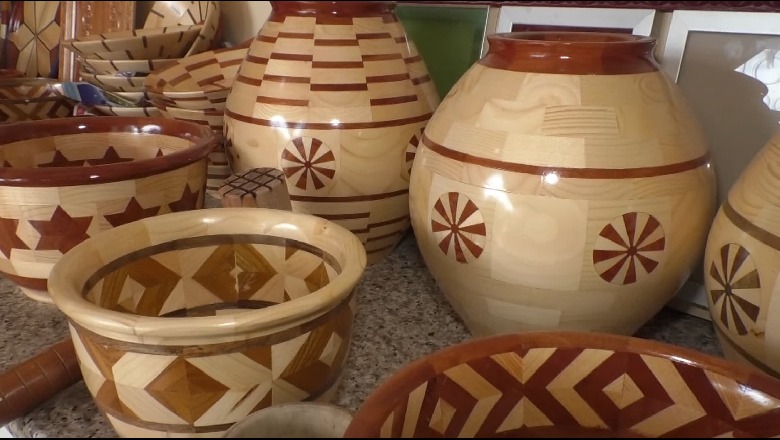
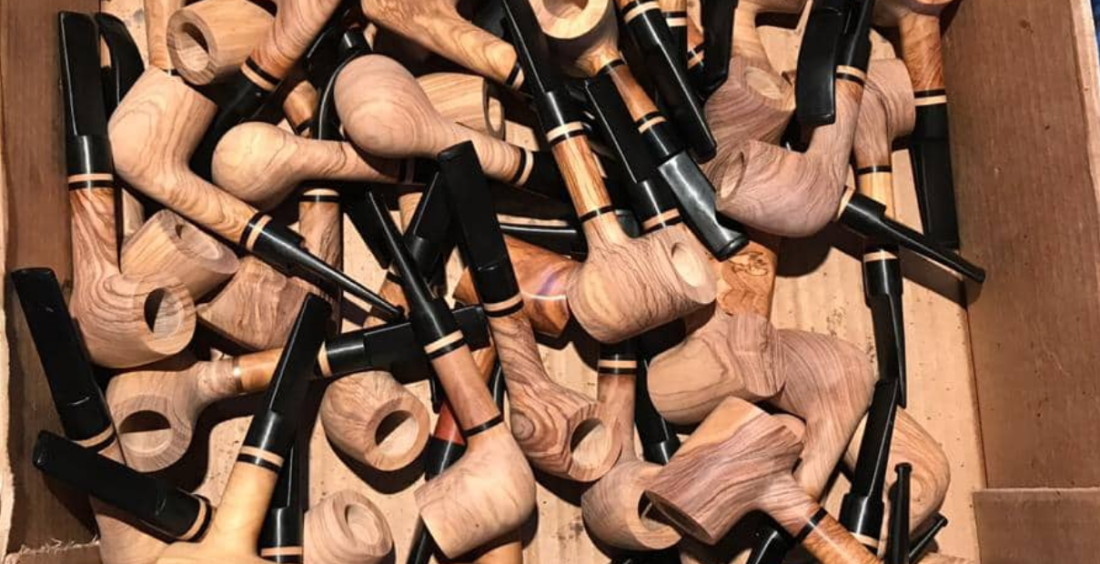
Handicrafts in Berat are an inherited cultural value, preserved to this day across various forms, including wood carving, embroidery, silver and metalwork, straw crafts, stone engraving, and decorative stonework. These crafts are primarily practiced as domestic activities, focusing on woodworking, stone carving, metalwork, embroidery, and carpet weaving, providing artisans with a means of livelihood. Today, woodworking masters are rare in Berat, and those who still practice the craft do so mainly for economic sustenance, while maintaining their passion for the...
Albanian craftsmen and artisans draw inspiration for their creations from tradition and ancient Albanian motifs, which inherently reflect a deep sense of patriotism. The works they produce are primarily crafted from stone, wood, and ceramics. However, they also engage in tapestry work and create carpets with national motifs, dedicating days to perfecting each piece. Handicrafts made from wood, shells, and pebbles, as well as ethnographic items, have attracted the interest of both foreign and local tourists, many of whom do...
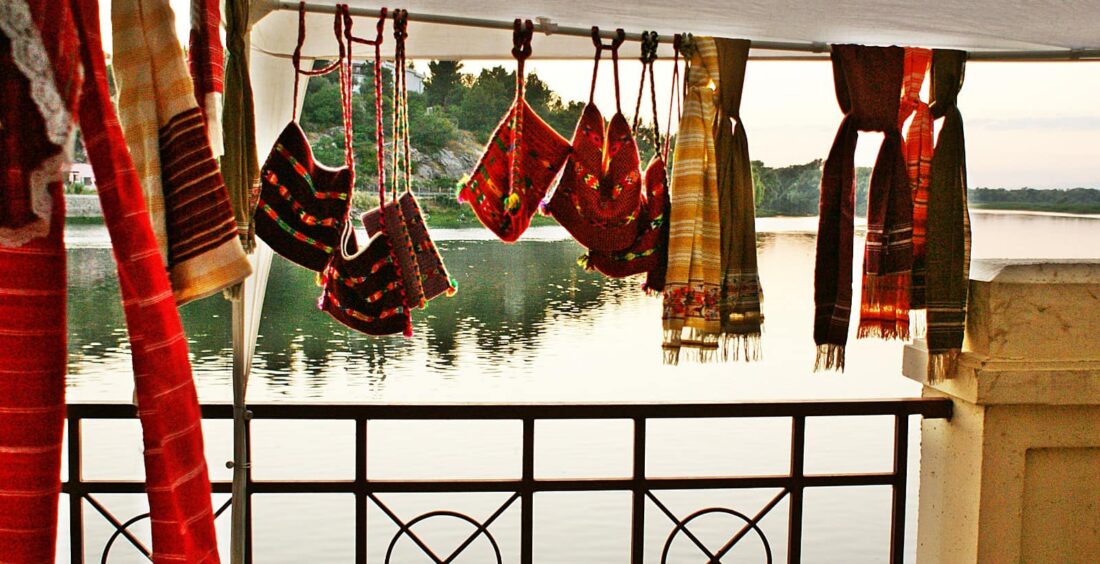
In the city of Tirana, the early production of items such as cells, bricks, stone works (including alabaster), and precious materials like silver and copper continues.The most successful industry today is the production of Albanian folk costumes for both adults and children. The most notable items in this industry include woolen products such as bags, scarves, and bands, as well as gold and silver boxes used by women and girls to carry ornaments, rings, hangers, and other accessories. Craft of cellars...