Handcrafted works are considered a precious asset that reflects the values, culture, and identity of our country. Although in Fier, it seemed as if this tradition had disappeared, today, younger generations are trying to preserve it through clay work, crocheting, or even embroidery, where motifs from the past are intertwined with the present. In the past, pottery production was one of the most important crafts to meet daily needs, including construction materials (tiles, bricks), storage containers (pitosa, amphorae), kitchen utensils, art...
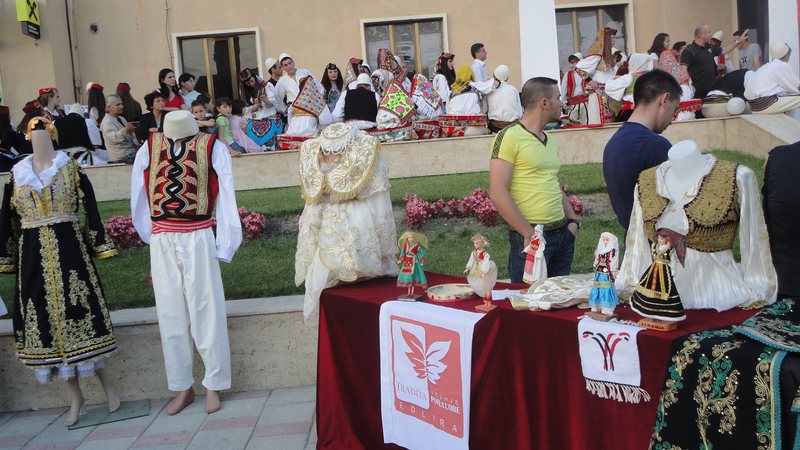
In the past, there were different rites for weddings and each action had a special symbolism. The wedding ceremony included: Cutting Day, Wood Day, Dough Day, Bridal Garment Day, and Marriage Union. The appointment of the wedding day according to different provinces was called: “orok”, “cut of the day”, “prema e vade”, “cut of the word”. It was thought that postponing this day brought bad luck, so even death did not postpone marriage. Wood day was called the day when they went to...
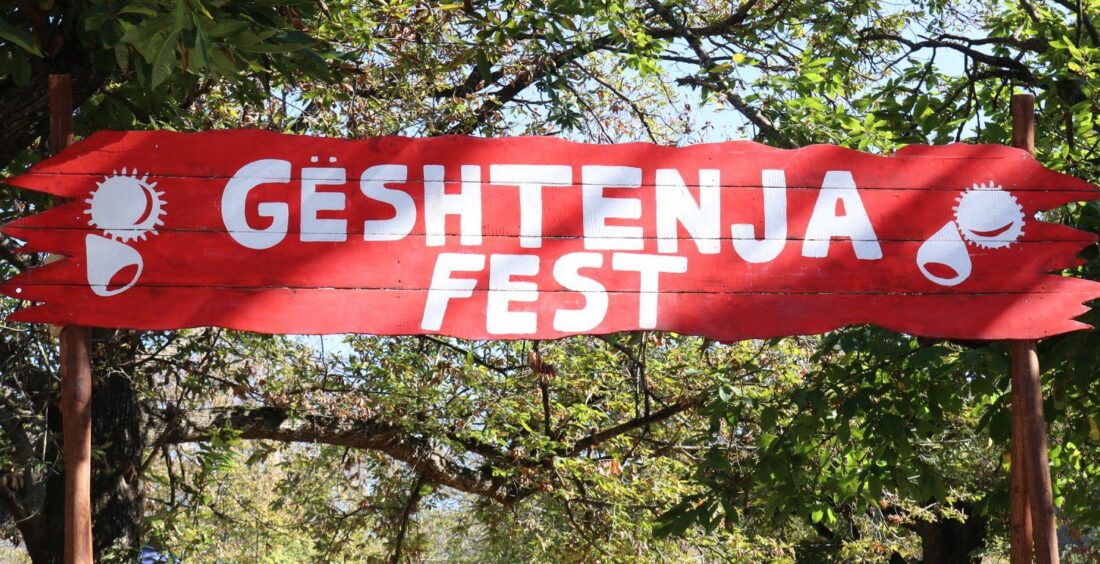
Reçi, a village located among the hills in the Shkreli valley, is known for its large variety of aromatic medicinal plants, but chestnuts represent its real distinguishing feature. The first chestnut trees, which have survived to this day, were planted about 250 years ago, while today this fruit is the biggest source of income for the local community. Therefore, it has already been done that every year, at the end of October, the “Chestnut Festival” is organized, which is dedicated to the...
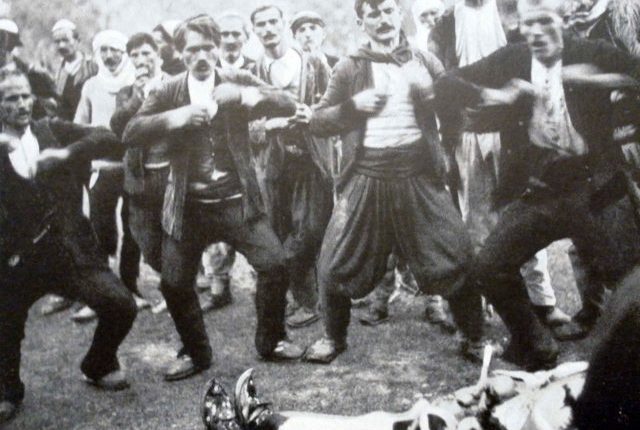
In the totality of the historical-cultural phenomena of the tradition, syncretized in the spiritual life of our people, a very special place is occupied by popular laments for death, for the deceased and his escort to the grave. In our folkloristics, the first lament we know is “Ajkuna weeps for Omer”, her son killed in the war. The first lament songs were structured and began with rhetorical questions like “why are you leaving life?”, ending with the further activities of the other...
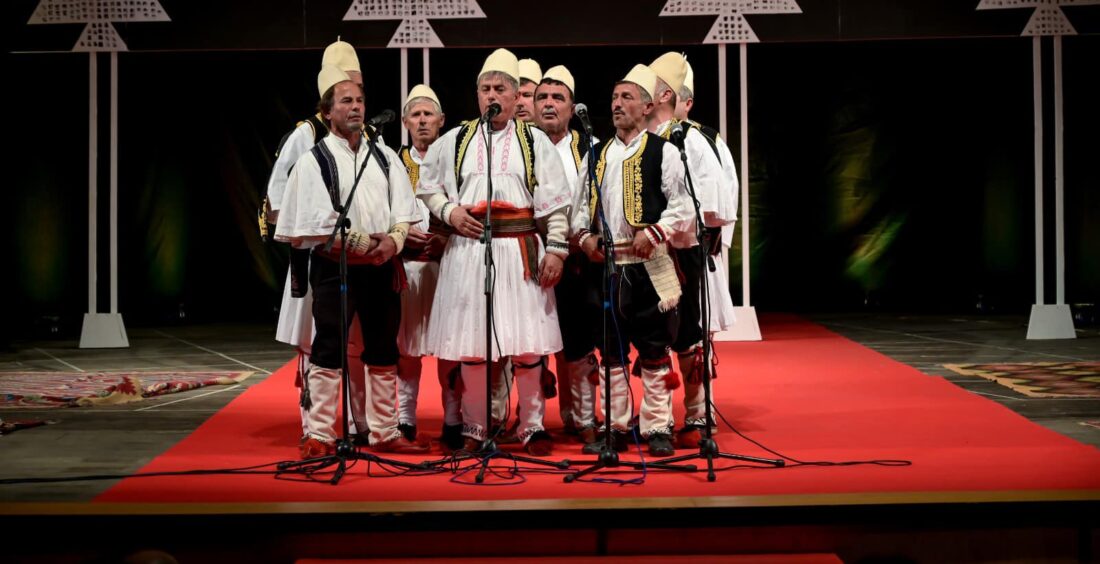
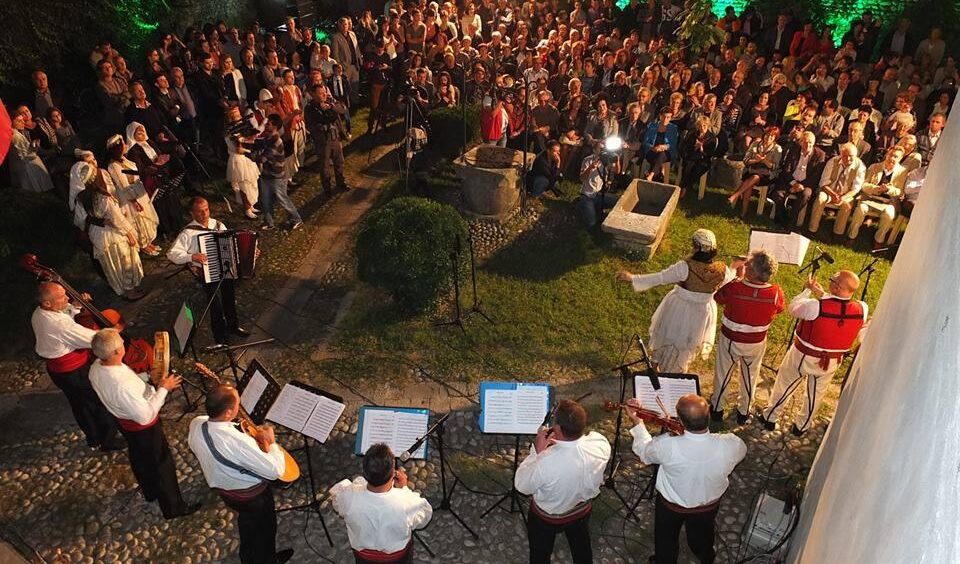
Isopolyphony is vocal, instrumental and choreographic folklore and a typology of the Albanian national spiritual heritage, declared “Masterpiece of the Oral and Spiritual Heritage of Humanity” by UNESCO on November 25, 2005. Isopolyphony is the basic musical phenomenon in South Albania, which is built on the principle of the singing of one or several different solo voices, over a bed of isoje sung by a group of singers. Its main types are Labe isopolyphony, Tuscan isopolyphony and Chama isopolyphony. Isopolyphony is...
This cycle of legendary songs, accompanied by the lute, is a typology of the Albanian national spiritual heritage, where the two brothers are at the center: Mujin and Halil. The epic is found to be sung in the Great Highlands, Rranzat, Postribë, Shllak e Dukagjin, Nikaj, Mertur, Krasniqeja e Gashi, Bytyçi, Berishë, Has as well as in Kosovo in the Dukagjin Plain with the centers: Pejë, Gjakovë, Prizren, Rahovec, Deçan , Istog and Suhareka. The time of its formation is localized to...
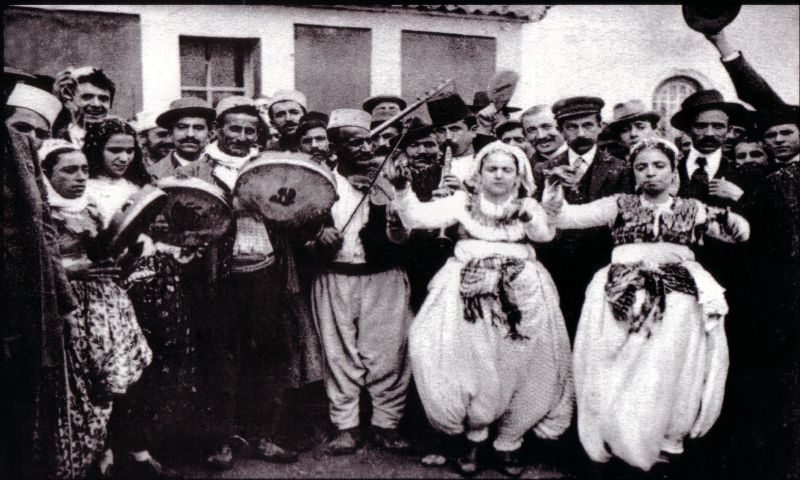
Folk music is traditional music, the genre that evolved from it during the folk revival of the 20th century. Some types of popular music can be called world music. But, it has been contrasted with commercial and classical styles. Traditional folk music has been defined in several ways, such as: music that is transmitted orally, music by unknown composers, or music performed to order over a long period of time. The term has its origins in the 19th century, but popular music...
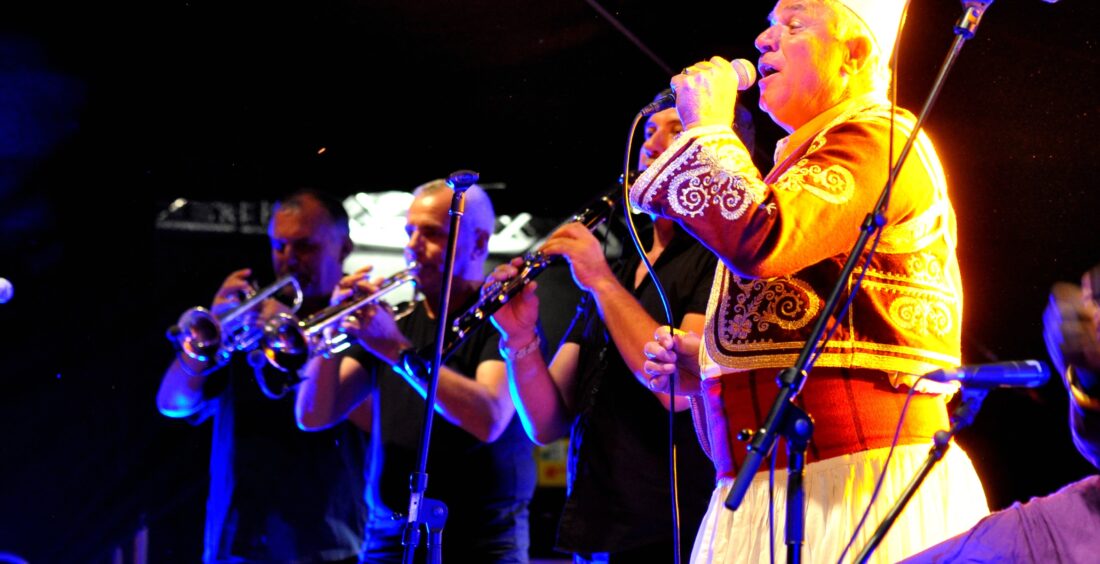
Festivity of Shkodra is an important part of the folk music repertoire of the Albanian cities of Gegëria. This activity, part of our folklore, is organized in “curtains” – specific musical scales, which are twelve in total. In each curtain we find a musical repertoire, which mainly includes songs, instrumental melodies and dances, which are built on these musical scales. As an important part of the Albanian national spiritual heritage, the Shkodran party begins to crystallize from the beginning of...
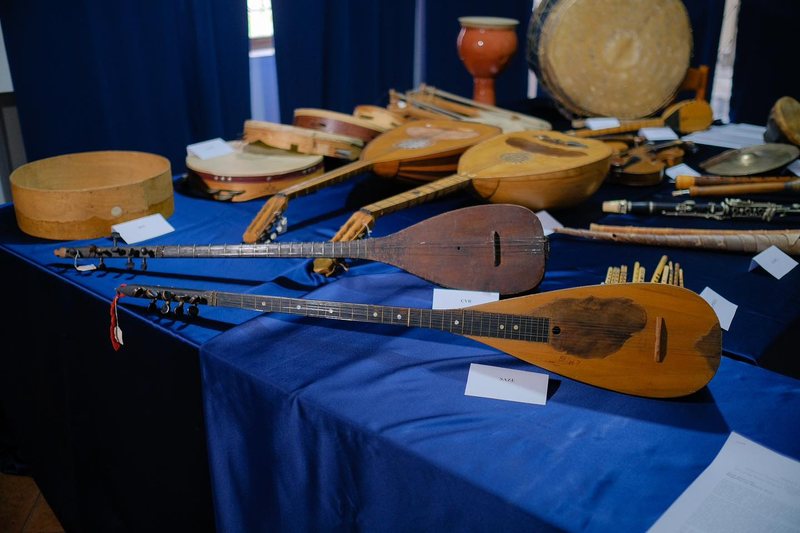
The craft of making folk musical instruments constitutes a special craft in the general picture of Albanian craftsmanship. Until the moment when the first instrument-making shops began to open (second half of the 19th century, the beginning of the 20th century), folk musical instruments were made by each family themselves, and in particular by the bearers of folklore. In the artisanal way in Albania, instruments such as bagpipes, fiddles, double flutes, zifteli, sharki, lute, tambourine, drum, lauri, buzuk, bakllama etc. have been...
The “Stone City” is rightfully considered the pearl of our cultural heritage. It is in this city that one of the most important museums of local and customary tradition is located. The museum facility is located in the “Palorto” neighborhood and dates back to the 19th century. Built three centuries ago, the tower-type dwelling, which represents a typical model of the life of a patriarchal citizen family of the time, is still continuing to play the role of the museum in...