Built during the reign of Roman Emperor Diocletian between 284 and 305 AD, it was originally called Mansio Scampis. Situated on the Via Egnatia, a major Roman road linking the Adriatic coast to Byzantium, the site connected significant regions of the empire. Abandoned at some point, it was later rebuilt in the 15th century by Sultan Mehmed II the Conqueror, who transformed it into a garrison town in 1466 during his conflict with the League of Lezhë, led by Albania’s...
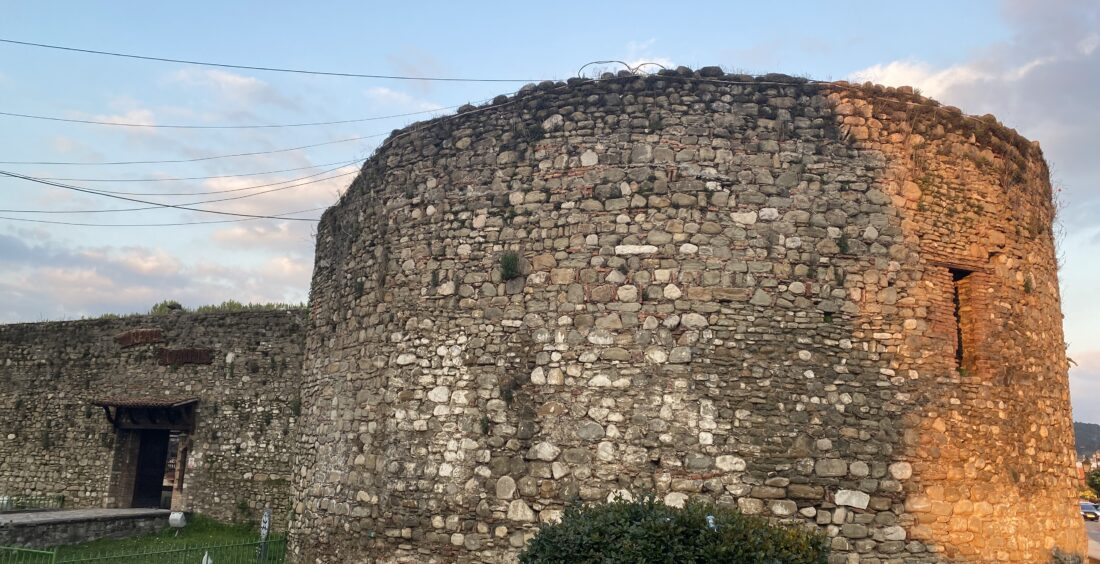
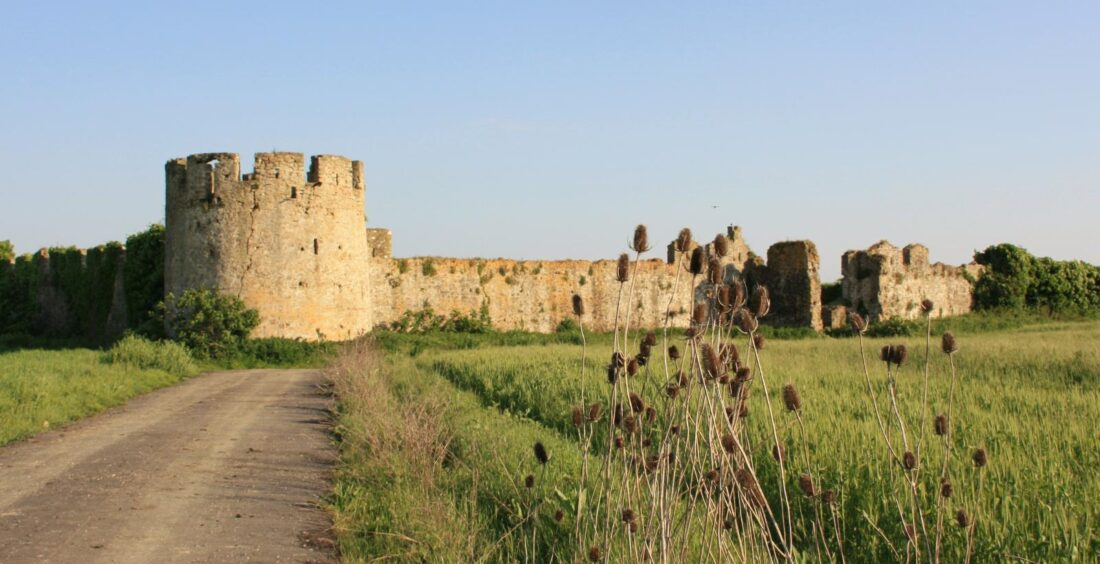
The Fortress of Bashtovë, built in the 15th century under Venetian rule, was designed to facilitate trade. It underwent further modifications during the Ottoman conquest in the same century, with construction activities continuing into the early 16th century. The fortification walls suffered damage during the 2019 earthquake and are currently being restored. Located along the ancient “Via Egnatia” road, the fortress held significant strategic importance for connecting the east and west. It was constructed to control and potentially resist Ottoman attacks...
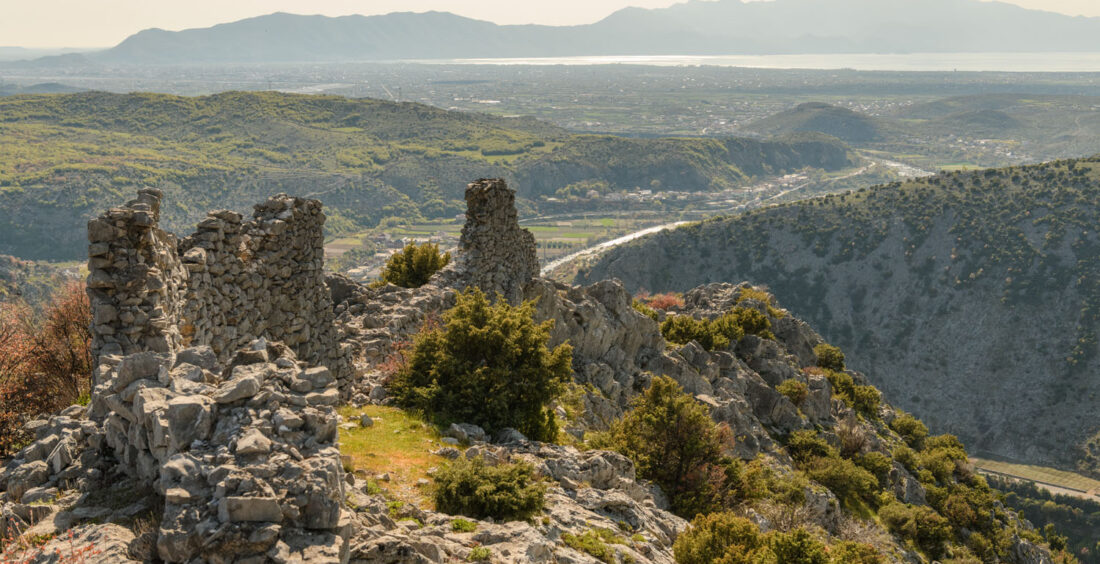
Originally established in the Illyrian or Roman period as a settlement to protect the Kosovo trade route. Became a Byzantine fortress in the 10th century, rebuilt during the 12th century. It was strengthened as a fortification by the Serbian Principality of Zeta in the 14th century. Current walls and towers date back to the Venetian era (1396–1478). The Castle fell to the Ottomans after the siege of Shkodra in 1478. The castle is located on an 800-meter-high rocky hill with natural...
Lezhë Castle, locally known as Kalaja e Lezhës, is located in the town of Lezhë in northwestern Albania. Originally built in the 4th century during the Byzantine period, it was reconstructed in the 8th/9th century by the Byzantine Empire and underwent further renovations in 1521 under Ottoman Sultan Suleiman the Magnificent. The castle features a blend of Ottoman, Byzantine, Roman, and Illyrian architectural elements, including thick stone walls and a strategic location characteristic of medieval fortifications designed for defense and observation....
Krujë castle was built in the 5th or 6th century by the Byzantine Empire, perched above the city with the same name as today. It is located in the north central Albanian city of Krujë. Constructed with stone and mortar, the castle features a classic medieval architectural style, characterized by thick defensive walls, watchtowers, and fortified gates. Its strategic hilltop location gave it a critical advantage, allowing defenders to spot and prepare for approaching enemies. This historic landmark played a major role...
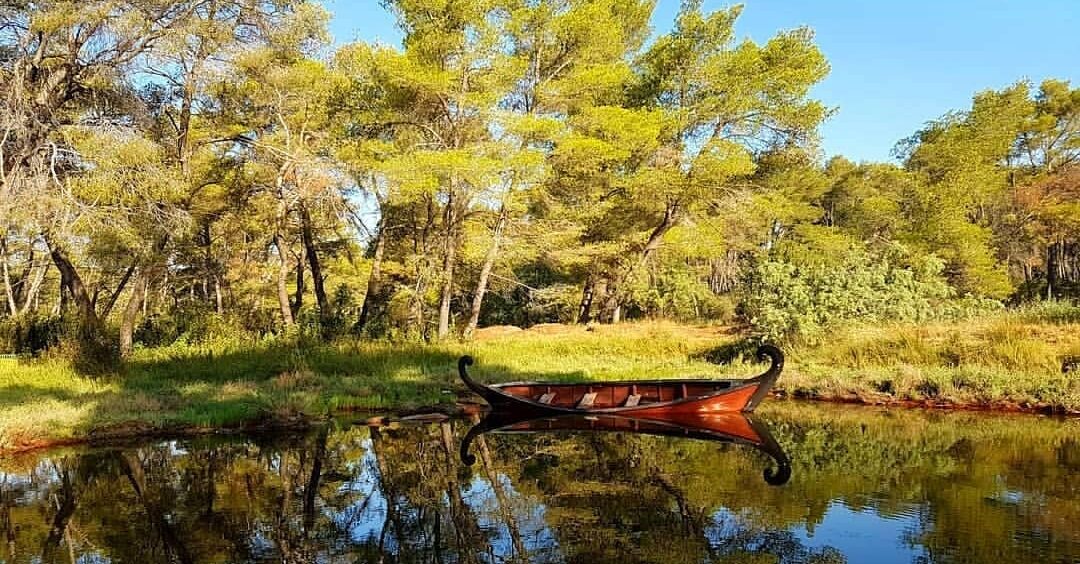
Divjakë-Karavasta National Park is located 90 km from the capital city of Albania. It is bordered by the Shkumbin River to the north, the Divjakë hills to the east, the Myzeqe Canal and Seman River to the south, and is bathed by the Adriatic Sea to the west. This park is the largest non-coastal wetland complex in Albania, consisting of four lagoons (Karavasta, Godullat, Godullat e Pishës, and Spiaxho) with a total area of approximately 5,000 hectares. The park can be accessed...
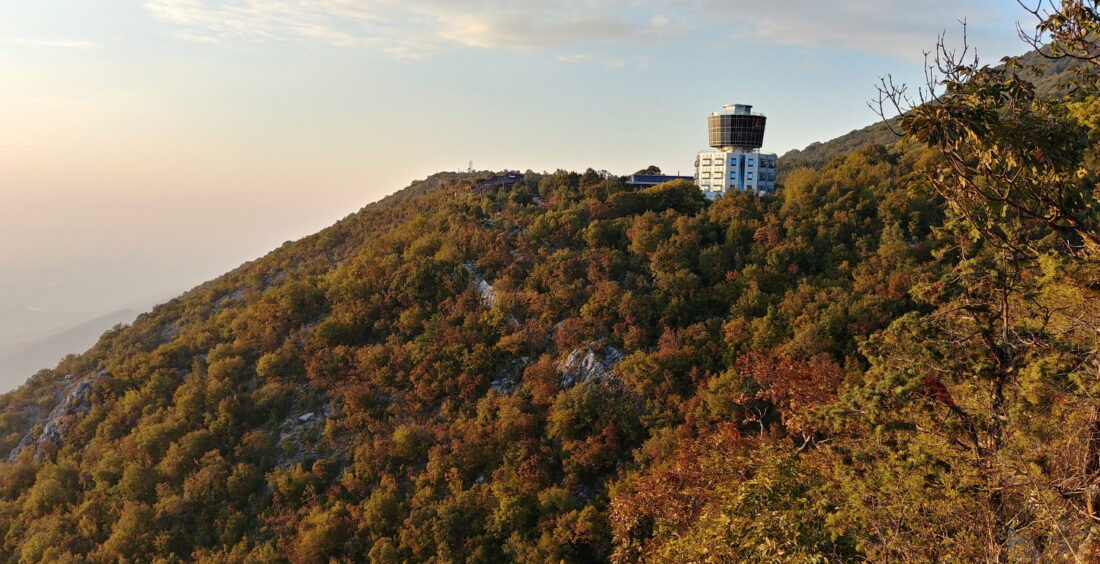
Dajti National Park is located 26 km east of Tirana. It covers an area of 3,300 hectares on the Dajti plateau. This park attracts many visitors and is a suitable destination for family picnics, sports, games, and other interesting activities. Dajti Park boasts a rich flora and fauna. Its dense vegetation makes it one of the greenest areas in the country. The park is known for its forests, which feature three distinct plant layers: Mediterranean shrubs with two sub-layers (evergreen...
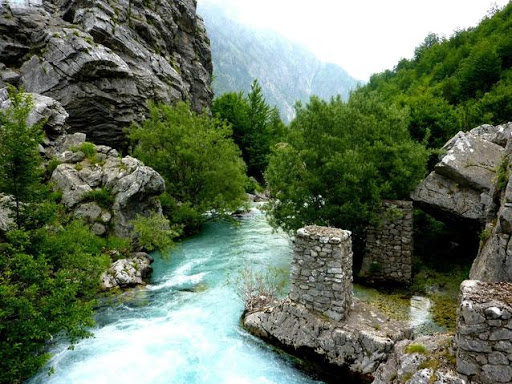
It is located in the Kukës Region, within the Tropoja district, approximately 25-30 km northwest of the town of Bajram Curri. The area lies amidst tall and rugged peaks, covered in a fantastic array of colors that change with every season, creating the image of a valley full of labyrinths and surprises. Covering an area of 8,000 hectares, it is considered the jewel of the Albanian Alps. The climate is mountainous but sunny during the summer. Temperatures are never excessively high...
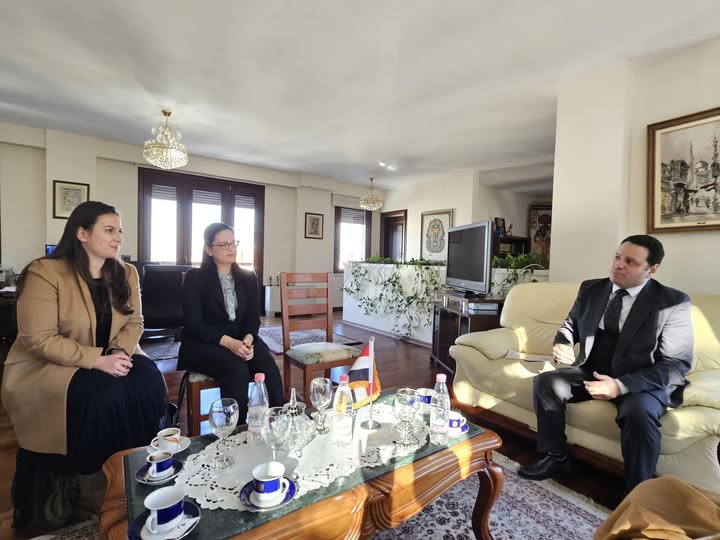
On December 19, 2024, a representation of the Institute of Education, Heritage and Tourism (IETT), consisted of Ms. Anisa Hykaj, IETT Coordinator, and Mrs. Inesa Sulaj, Consultant for Heritage and Tourism, held a meeting with the Ambassador of Egypt in Tirana, H.E. Hassan Shawky. The IETT representatives wished Ambassador Shawky success in his new role and expressed their appreciation for his commitment to strengthening intercultural and international ties between the two countries. During the meeting, the following opportunities were discussed: • Strengthening cooperation...
Shkodra, a 2500-Year-Old City with an Ancient Cultural Tradition The city of Shkodra is known as a city with a rich and ancient cultural heritage. In the diversity of the constituent elements of its culture, what gives a unique style is the artisan culture of the people of Shkodra developed in the direction of processing various metals such: wood, metal, and leather, which were typically worked on by men. Women, on the other hand worked mainly in embroidery of clothes, creating...