Trashëgimia EN

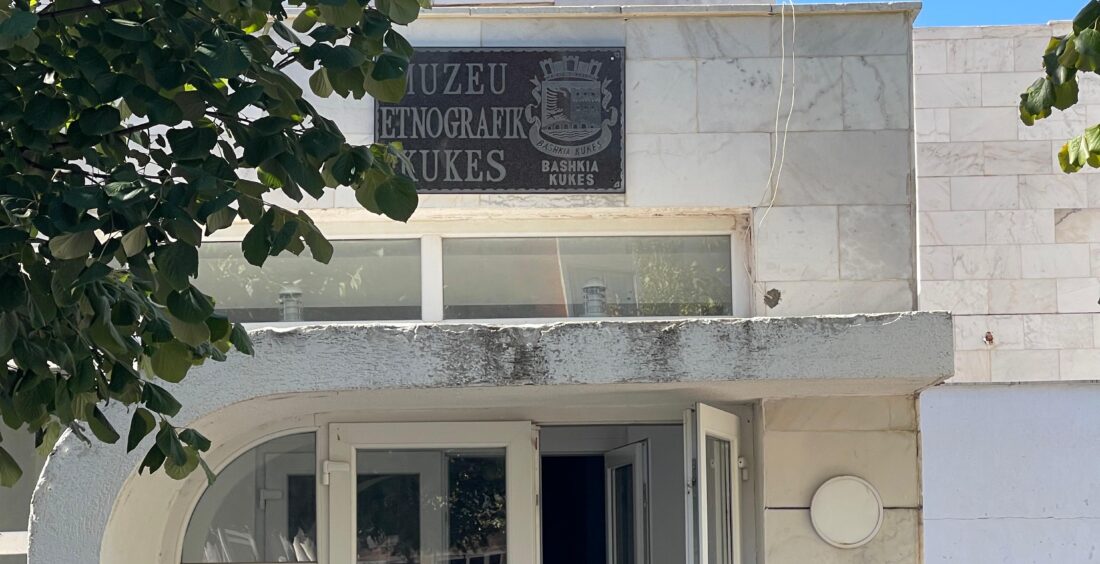
The Ethnographic Museum of Kukës

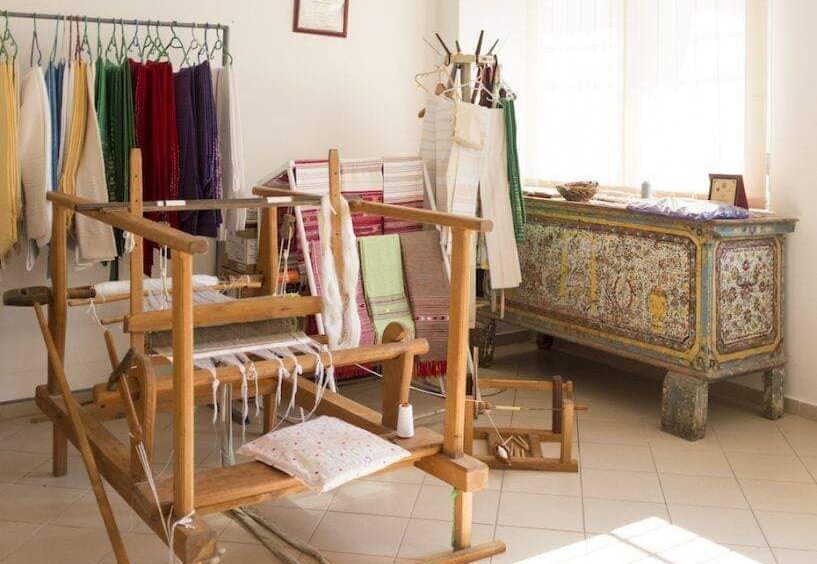
The Ethnographic Museum of Kukës is located in the city center, in the heart of northern Albania, near the border with Kosovo. This cultural institution was established with the aim of preserving, studying, and exhibiting the historical, ethnographic, and natural treasures of the region. Although housed in a modest building, the museum represents a true cultural treasure, offering visitors a unique journey through time and space. The museum is divided into three main pavilions: The Ethnography Pavilion Due to its historical isolation, Kukës has...
Liqeni i Dashit (Ram’s Lake), Sylbica, Albania

Located at 2,180 meters above sea level in Sylbica, in the heart of the Albanian Alps National Park, Liqeni i Dashit (Ram’s Lake) is one of the largest glacial lakes in the region and a breathtaking natural gem near the Kosovo border. Surrounded by pristine alpine meadows and dramatic mountain peaks, Ram’s Lake offers an unforgettable escape into the wild beauty of northern Albania. Its crystal-clear waters remain stable throughout the year, making it a magical destination in all seasons: perfect for...

Traditional Clothing in the District of Pogradec

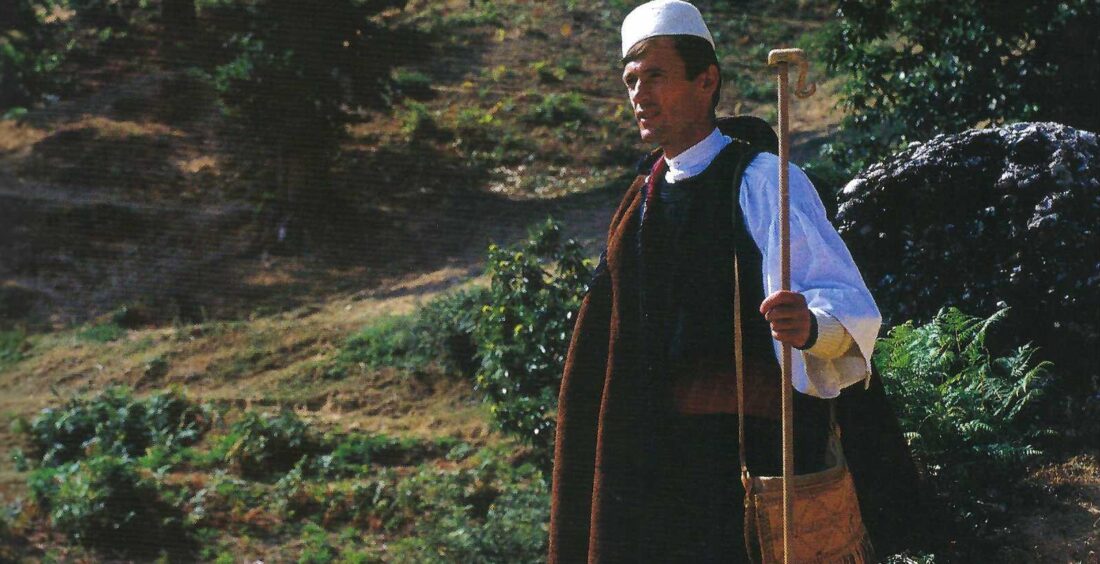
The rich cultural heritage of the Pogradec district is especially reflected in its traditional clothing, which varies according to its regions and surroundings. The clothing of women from Mokra was worn in two variations: that of Orthodox and Muslim women. The basic elements of the Orthodox women’s attire included: the linja (a long shirt reaching the ankles) with long embroidered sleeves, several types of woolen cloaks (guna), the cibun worn over the shirt, a belt, woolen socks, and a white headscarf. Muslim women,...

The Mountain of Polis

Polis Mountain, with its vibrant colors and enchanting landscapes, stretches from the Shkumbin Gorge in the north to Sopot and the Cave in the south. It is distinguished by its highly complex terrain, where elevations above 1,000 meters dominate. In its overall appearance, the mountain resembles a vast, rugged limestone slab, deeply fragmented and surrounded on all sides by steep slopes. Due to the development of karst formations, vegetation on the ridge of Polis Mountain is sparse. However, in more...

Pogradec Lake

Pogradec Lake is a place of breathtaking beauty in every season, resembling a scene from a fairy tale. It is one of Albania’s most precious and unique natural assets. The lake is part of the larger Lake Ohrid, situated within Albania’s borders and extending into North Macedonia. It is distinguished by its remarkable diversity of landscapes, ecosystems, and natural contrasts. The region includes Lake Ohrid (a UNESCO World Natural Heritage Site), the Pogradec Basin, the Çërrava Threshold, Dry Mountain, and...

The Black Cave

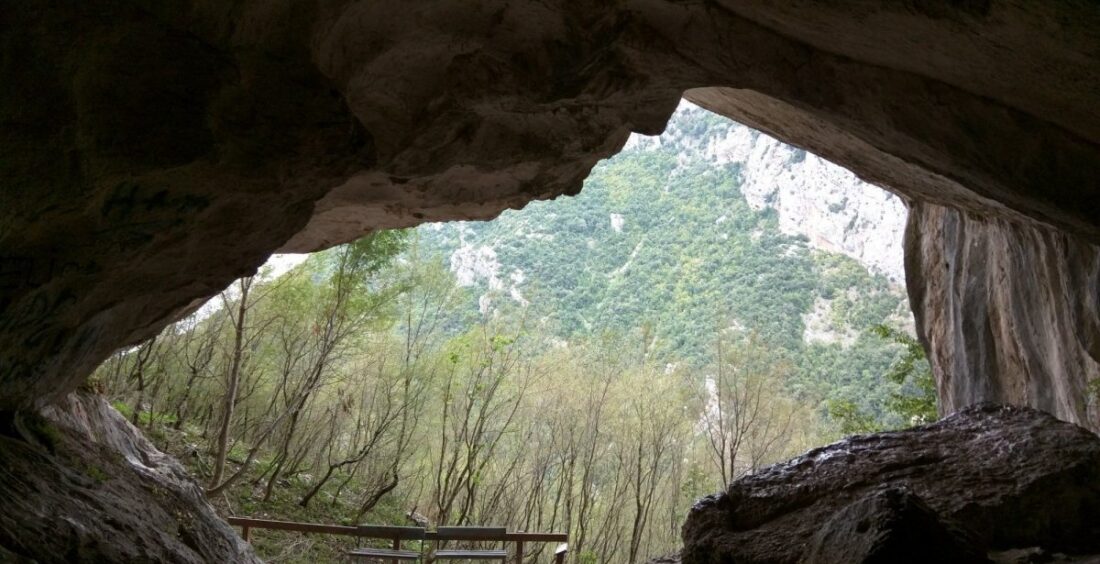
The Black Cave, also known as Pellumbas Cave, is located 650 meters above sea level and is considered one of the rarest karst caves and prehistoric settlements in Albania. It served as an Illyrian settlement, and skeletal remains found within the cave, according to the Museum of Natural Sciences at the University of Florence, belong to the cave bear (Ursus spelaeus), which lived between 400,000 and 10,000 years ago. Unlike similar karst caves in Europe, this cave also contains human remains,...

King Mosque in Berat

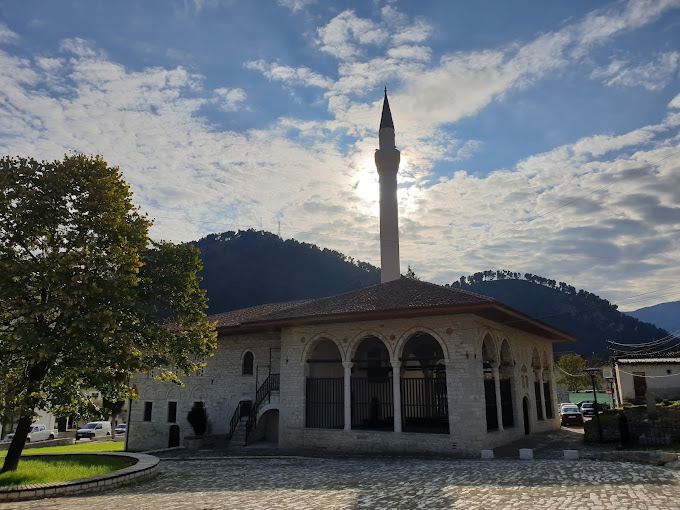
The King’s Mosque, also called Bajazit’s, is one of the main mosques of the city of Berat, declared a cultural monument since 1948. It was built by Sultan Bayazit II, at the end of the XV century. The mosque consists of prayer hall, portico and minaret. The prayer hall has a rectangular layout. It is separated by arcades of three arches that rest on two pillars and two pilasters on the side walls. The hall is covered by a plank ceiling, which is divided...

Handicraft in Shkodra

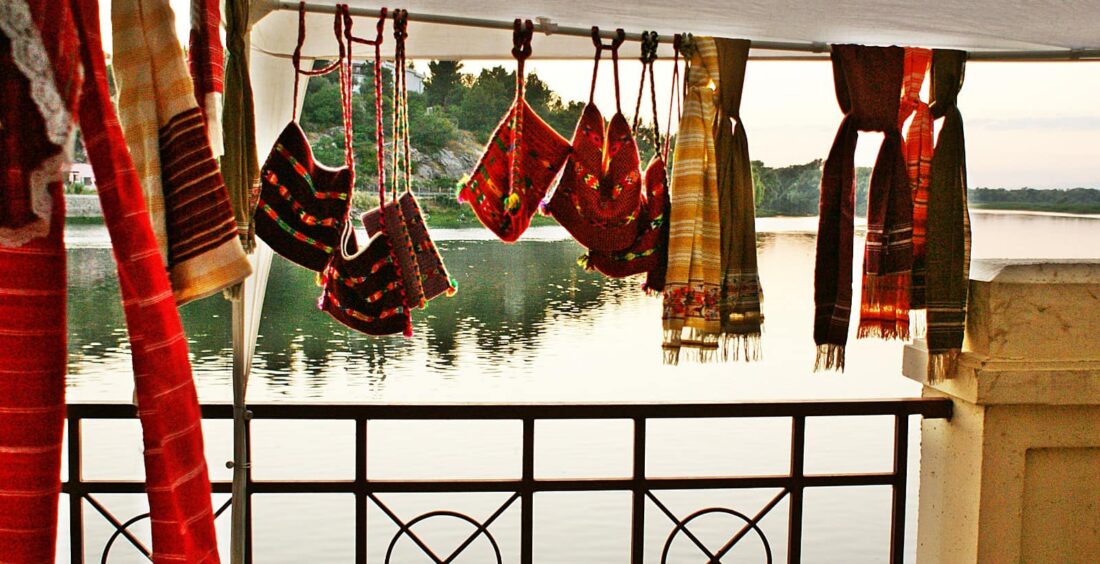
The 2,500-year-old city of Shkodra is known for its rich cultural heritage. Among the many elements that shape its cultural identity, one of the most distinctive aspects is its artisanal tradition. This craftsmanship has developed over time in various forms, particularly in working with materials such as wood, metal, and leather, which were traditionally crafted by men. Meanwhile, women specialized in embroidery, creating intricate designs on clothing, bed sheets, pillows, tablecloths, woven fabrics, and carpets. The artisanal products of Shkodra are...

Albanian Artistry: A Continuation of Tradition

Albania is renowned for its incredibly rich tradition of handicrafts, crafted for centuries by master artisans across its provinces. Wood, iron, copper, alabaster, gold, silver, leather, wool, and woven or embroidered fabrics all hold significant cultural value, serving as tangible proof of the nation’s identity. These handicrafts attract great interest from visitors, as well as local and international researchers. Lezha is particularly known for its long-standing tradition of craftsmanship, especially in the regions of Zadrima and Kallmet. This area showcases a...

Handicraft in Berat

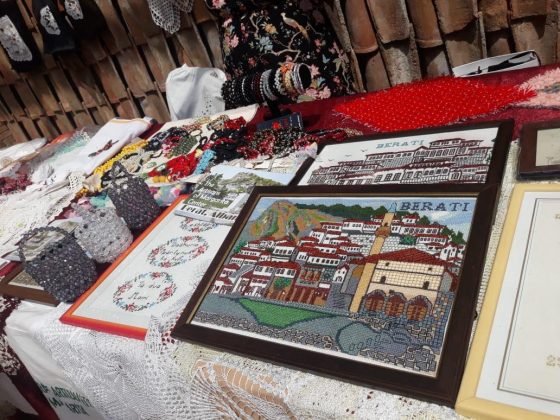
Handicrafts in Berat are an inherited cultural value, preserved to this day across various forms, including wood carving, embroidery, silver and metalwork, straw crafts, stone engraving, and decorative stonework. These crafts are primarily practiced as domestic activities, focusing on woodworking, stone carving, metalwork, embroidery, and carpet weaving, providing artisans with a means of livelihood. Today, woodworking masters are rare in Berat, and those who still practice the craft do so mainly for economic sustenance, while maintaining their passion for the...