Located at 2,180 meters above sea level in Sylbica, in the heart of the Albanian Alps National Park, Liqeni i Dashit (Ram’s Lake) is one of the largest glacial lakes in the region and a breathtaking natural gem near the Kosovo border. Surrounded by pristine alpine meadows and dramatic mountain peaks, Ram’s Lake offers an unforgettable escape into the wild beauty of northern Albania. Its crystal-clear waters remain stable throughout the year, making it a magical destination in all seasons: perfect for...
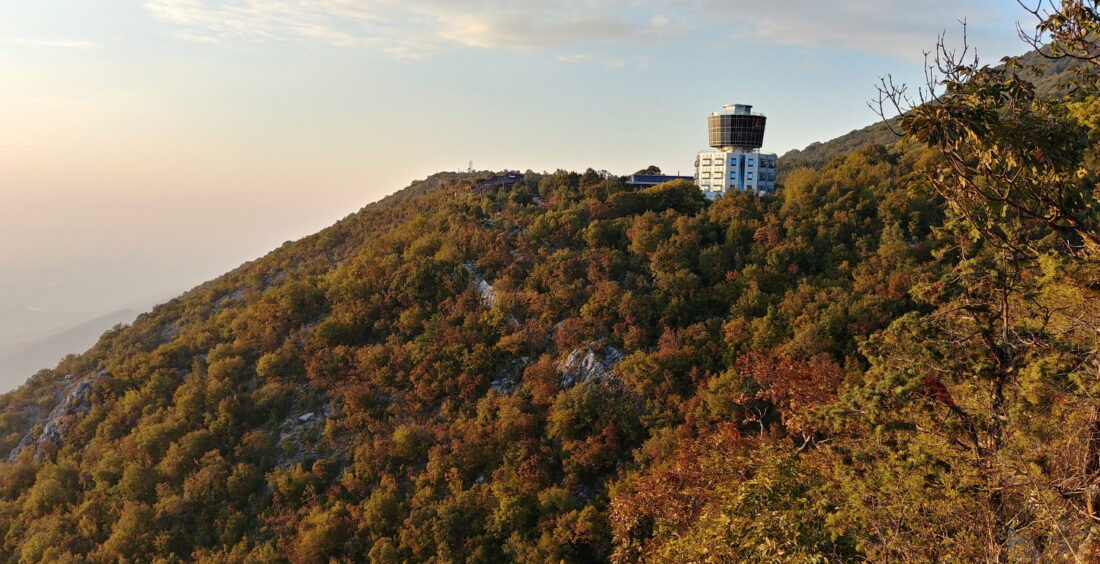
Polis Mountain, with its vibrant colors and enchanting landscapes, stretches from the Shkumbin Gorge in the north to Sopot and the Cave in the south. It is distinguished by its highly complex terrain, where elevations above 1,000 meters dominate. In its overall appearance, the mountain resembles a vast, rugged limestone slab, deeply fragmented and surrounded on all sides by steep slopes. Due to the development of karst formations, vegetation on the ridge of Polis Mountain is sparse. However, in more...
Pogradec Lake is a place of breathtaking beauty in every season, resembling a scene from a fairy tale. It is one of Albania’s most precious and unique natural assets. The lake is part of the larger Lake Ohrid, situated within Albania’s borders and extending into North Macedonia. It is distinguished by its remarkable diversity of landscapes, ecosystems, and natural contrasts. The region includes Lake Ohrid (a UNESCO World Natural Heritage Site), the Pogradec Basin, the Çërrava Threshold, Dry Mountain, and...
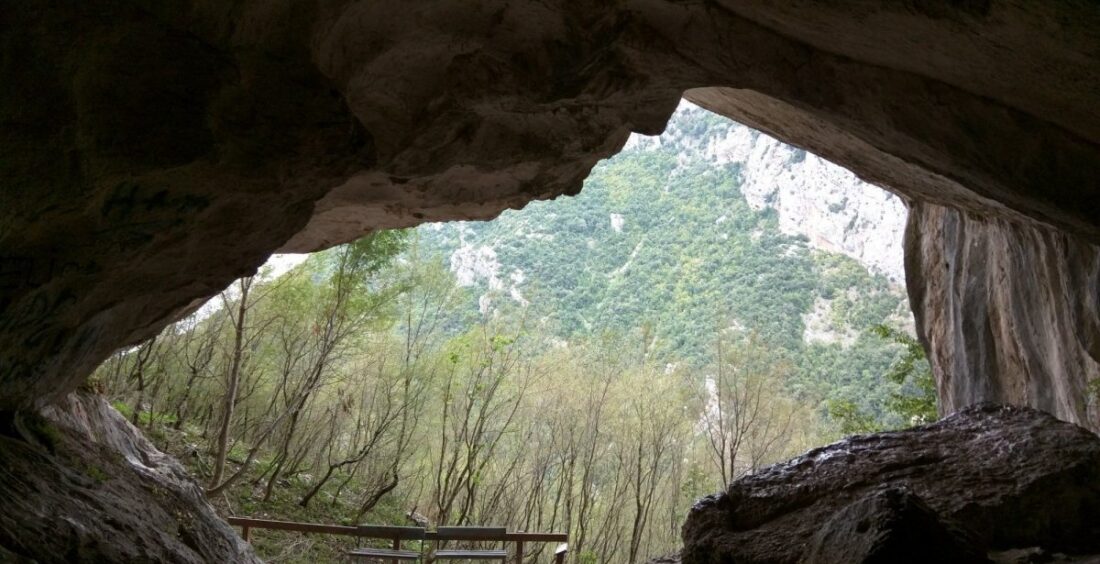
The Black Cave, also known as Pellumbas Cave, is located 650 meters above sea level and is considered one of the rarest karst caves and prehistoric settlements in Albania. It served as an Illyrian settlement, and skeletal remains found within the cave, according to the Museum of Natural Sciences at the University of Florence, belong to the cave bear (Ursus spelaeus), which lived between 400,000 and 10,000 years ago. Unlike similar karst caves in Europe, this cave also contains human remains,...
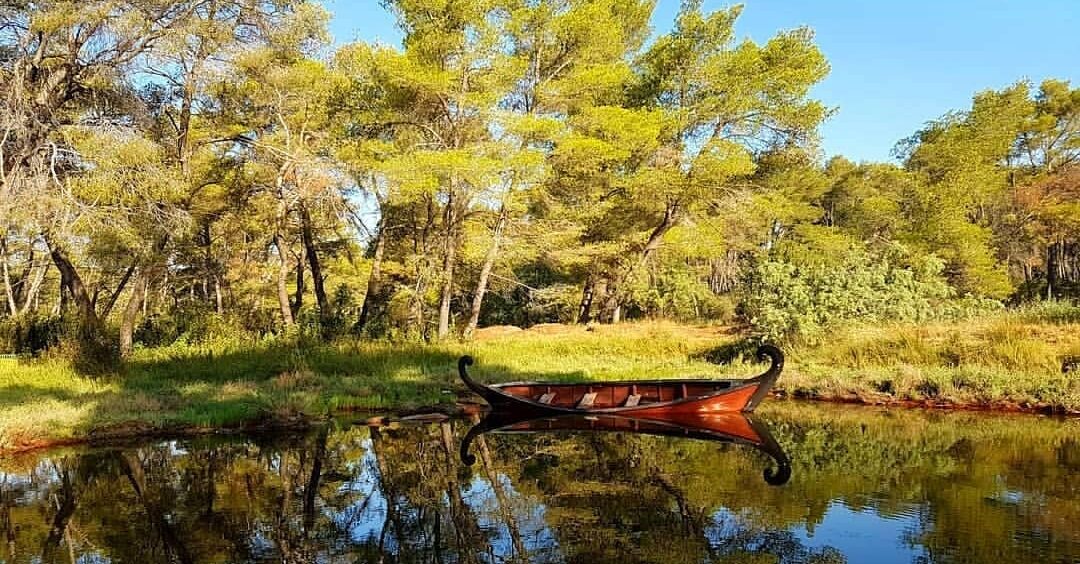
Divjakë-Karavasta National Park is located 90 km from the capital city of Albania. It is bordered by the Shkumbin River to the north, the Divjakë hills to the east, the Myzeqe Canal and Seman River to the south, and is bathed by the Adriatic Sea to the west. This park is the largest non-coastal wetland complex in Albania, consisting of four lagoons (Karavasta, Godullat, Godullat e Pishës, and Spiaxho) with a total area of approximately 5,000 hectares. The park can be accessed...
Dajti National Park is located 26 km east of Tirana. It covers an area of 3,300 hectares on the Dajti plateau. This park attracts many visitors and is a suitable destination for family picnics, sports, games, and other interesting activities. Dajti Park boasts a rich flora and fauna. Its dense vegetation makes it one of the greenest areas in the country. The park is known for its forests, which feature three distinct plant layers: Mediterranean shrubs with two sub-layers (evergreen...
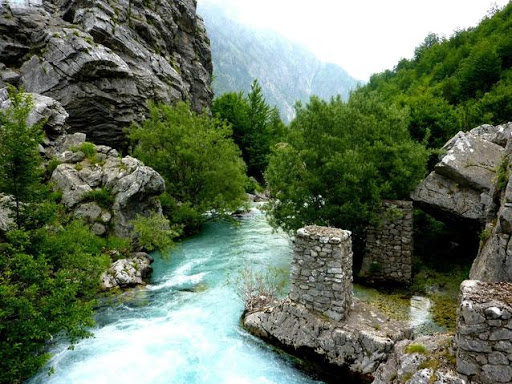
It is located in the Kukës Region, within the Tropoja district, approximately 25-30 km northwest of the town of Bajram Curri. The area lies amidst tall and rugged peaks, covered in a fantastic array of colors that change with every season, creating the image of a valley full of labyrinths and surprises. Covering an area of 8,000 hectares, it is considered the jewel of the Albanian Alps. The climate is mountainous but sunny during the summer. Temperatures are never excessively high...
It is the largest in the Balkans, with an area of 360-540 km2, and together with the Moraça, Drini and Buna Rivers represents a unique system with high natural, biological and hydrological potentials. The lake is 45 km long and 13 km wide and collects water from the watershed of about 5,179 km2. The average depth is 7-10m, while the maximum is 44m. From this lake originates Buna, which flows into the Adriatic. Once, the lake stretched to the foot of the...
A significant part of the Karaburun peninsula represents a very large space, with significant potential for both biodiversity and economic and tourist development. The following were identified: 10 types of natural habitats (2 primary habitats), 8 important floristic species, 5 endemic species and 1 species of Annex IV of the Habitats Directive. The main groups are those of dry Mediterranean pastures, open forests with valanid (Quercus ithaburensis subsp. macrolepis) and other deciduous oaks, makies with elk (Q.ilex) and less often...
This attraction is located between the villages of Nikolica and Arrëza, in the southeast of the Morava mountains. The special feature of this area is that it stands out for its complicated physical-geographic construction. It consists of igneous rocks, terrigenous and very little of limestone. It is a cross-border area important for the exchange of faunal and floristic elements with Greece. There are many rare and sub-endemic plants. The forest is dominated by Beech (Fagus sylvatica), accompanied by Macedonian Fir (Abies...
- 1
- 2