iett_institute

This author iett_institute has created 636 entries.

Lëkurësi Castle

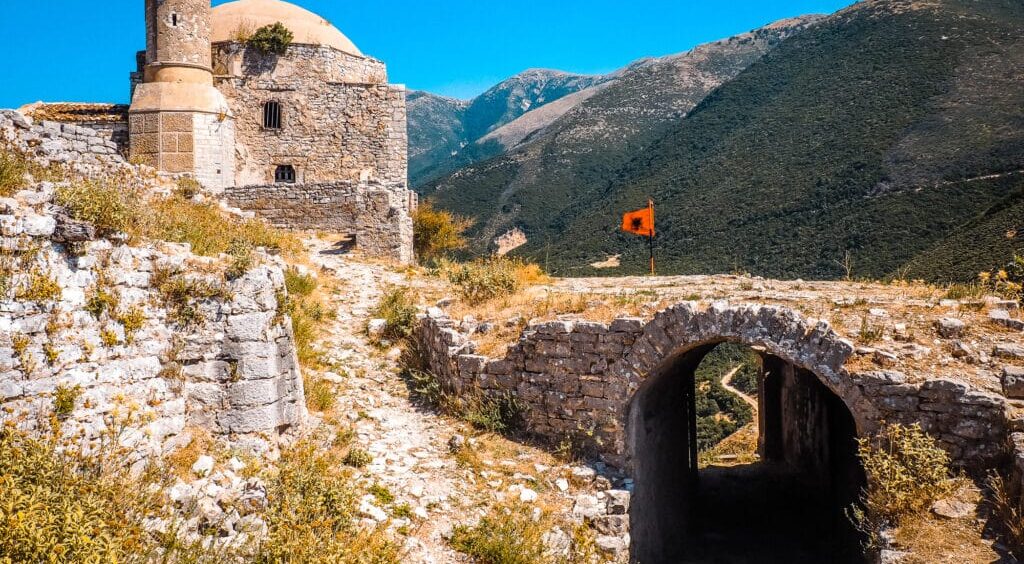
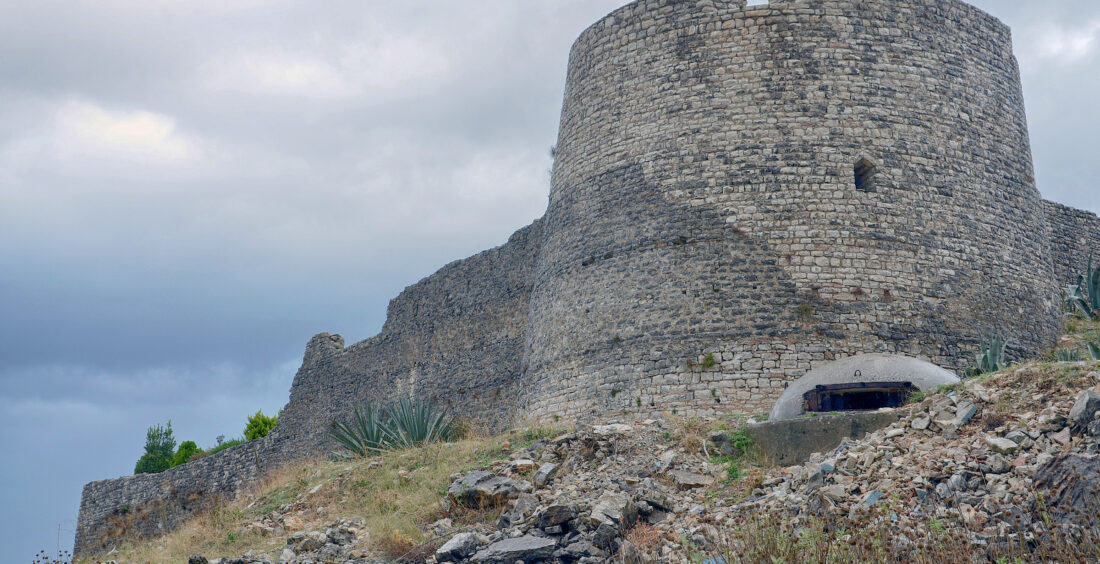
Lëkurësi Castle was built in 1537 by the Ottoman emperor Sultan Suleiman the Magnificent. The castle and its views remain the main attraction, offering some of the best panoramas over Saranda, the bay, and the Ionian Sea with Corfu visible on the horizon. From the hill, visitors can also enjoy a magnificent view of the valley and mountain range on the other side, as well as the Butrint Lake. The castle was constructed in a square shape with two round...
Ali Pasha Castle

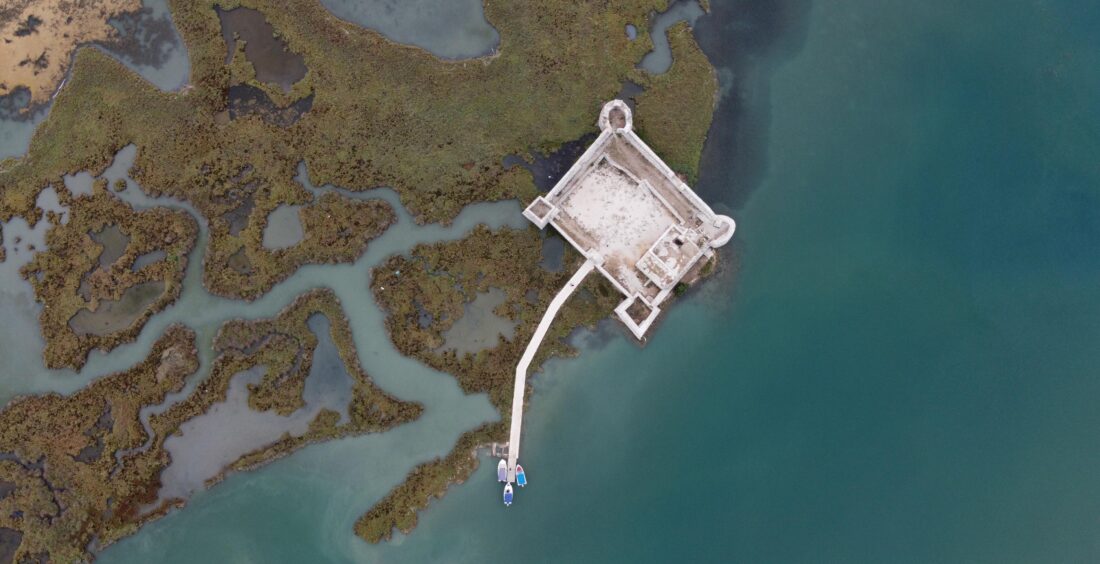
Ali Pasha Castle, located in Butrint, was constructed in the 15th or 16th century by the Venetians, who acquired Corfu and the surrounding areas in 1386. It was built as a stronghold to protect the region around Butrint and to exploit its fishing and farming potential. Ali Pasha seized control of the castle after the dissolution of the Republic of San Marco in 1797 and made significant improvements to its defenses. The castle was also used as a manor in...

Tirana Castle (Fortress of Justinian)

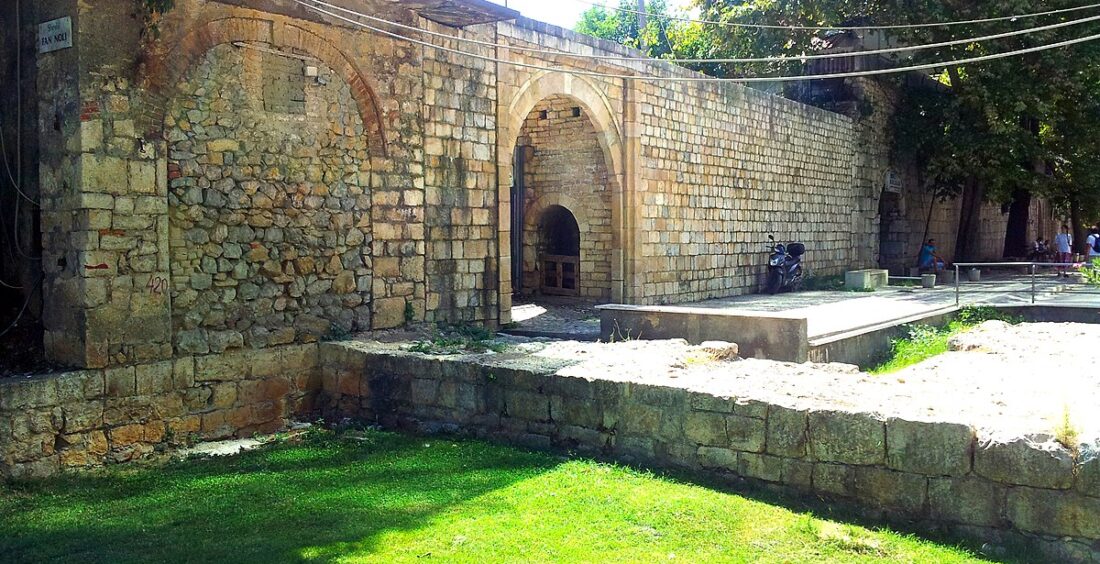
The castle dates back to the Early Byzantine Period (4th to 6th century). It might have been built or rebuilt by Emperor Justinian I in the 6th century. The castle had a rectangular plan with round corner towers and square wall towers. The current fortification has three known towers. The walls, 6 meters (20 ft) high, are remnants from the Byzantine and Ottoman eras. The recently uncovered wall foundations are incorporated into the pedestrian Murat Toptani Street. A mosaic commemorating...

Peqini Castle

Peqini Castle, located in Elbasan County, Albania, traces its roots back to the Roman period, specifically the time of the construction of the Via Egnatia. The castle gained its current structure in the 17th century AD during the Ottoman rule under Abdi Pasha, an Albanian politician and military leader. The castle is built on hard, rocky terrain and originally featured walls as tall as 12 meters. Its design includes robust fortifications, a saray (palace), a harem, and hidden underground tunnels used...

Ishëm Castle

Ishëm Castle, locally known as Kalaja e Ishmit, lies east of the village of Kërtushaj in the county of Durrës, Albania. It was built between 1572 and 1574 by a local Ottoman ruler named Mehmet. The castle’s primary purpose was to house a garrison of approximately 410 soldiers to suppress local peasant rebellions. The castle overlooked the Ishëm River. In historical times, this river was navigable and featured a small port, which the castle guarded. Its architecture reflects a blend of...

Rodoni Castle

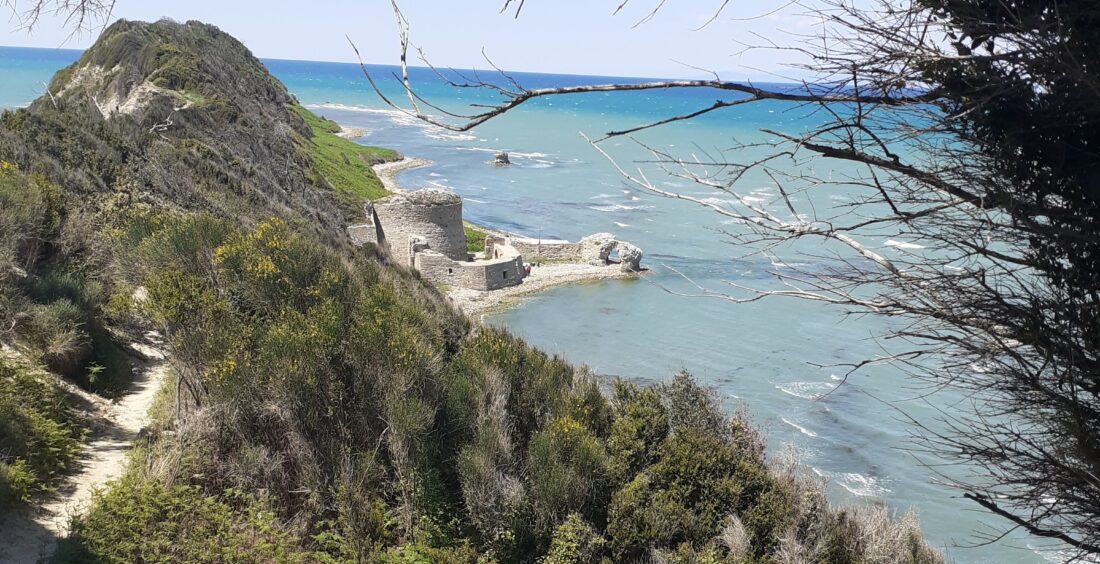
Rodoni Castle, also known as the Castle of Rodon or Skanderbeg Castle, is located on the Cape of Rodon in Durrës County, Albania. It was constructed by Skanderbeg, Albania’s national hero, between 1450 and 1452 AD. The castle was destroyed by Ottoman forces in 1467 AD following the Siege of Krujë but was rebuilt by the Republic of Venice in 1500 AD. The castle’s walls measured 400 meters in length, with towers situated at each of its four corners. Historical records...

The Castle of Shkodër

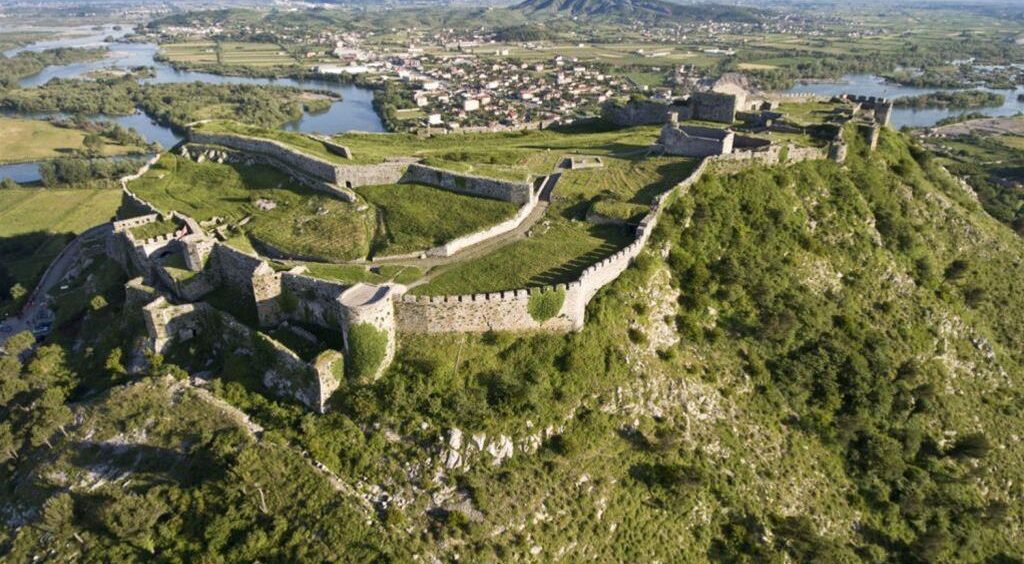
The Castle of Shkodër, also known as Rozafa Castle, is one of the most important fortresses in Albania and beyond. For a long time, it has remained a very significant monument in the country. We will not elaborate here on the origin of the name “Rozafa Castle,” as the legend of Rozafa is widely known. The castle is built on a rocky hill at the entrance to the city of Shkodër, on its southeast side. It is believed to have...

The Castle of Borsh

The Castle of Borsh rises on a hill that ends at the top with a rocky ridge and occupies a central position in relation to the ancient city of Borsh. The Castle of Borsh is located at an altitude of 500 meters above sea level and has a favorable position for visitors. According to researchers, the castle dates back to the 12th century, although some believe its construction is linked to earlier periods. This castle was once known as the Castle of...

The Castle of Gjirokastër

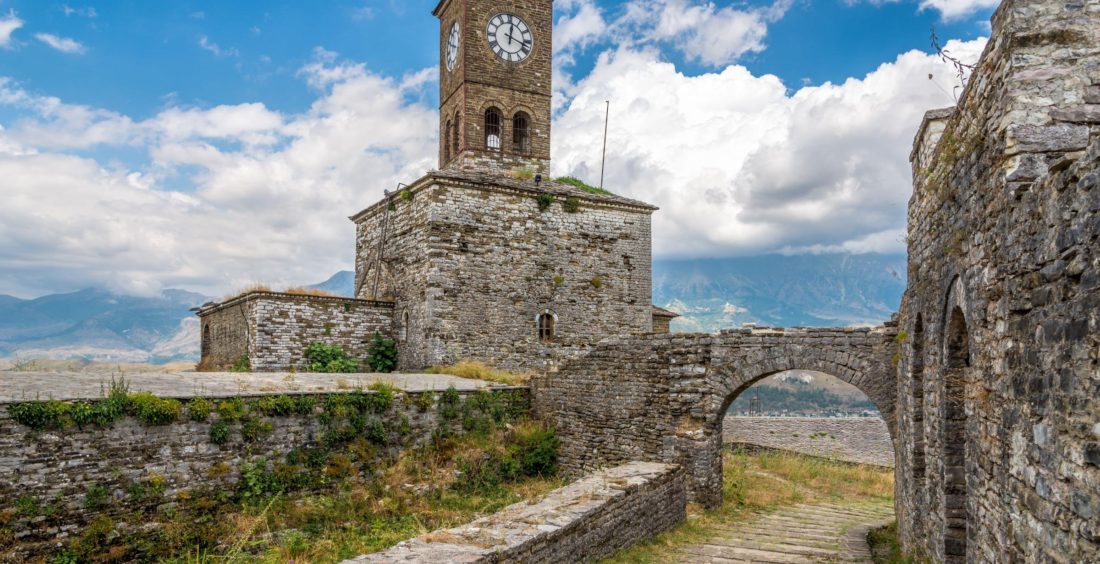
Gjirokastra, or as it is also known “the stone city,” is one of the most beautiful cities in the south of Albania. With its multifaceted values, this museum-like city was one of the first to be accepted into UNESCO. And when we talk about its values, we must mention that the main symbol of the city is its castle. The Castle of Gjirokastër is closely connected to the city itself. It is situated on a hill, slightly detached from the Gjerë...

Durrës Castle

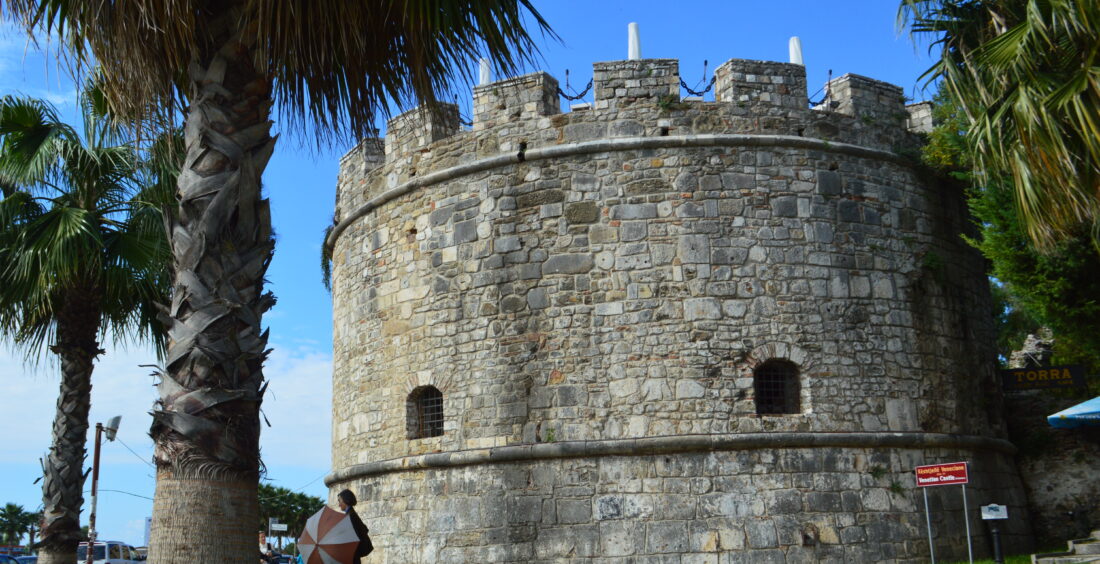
Durrës Castle, an ancient fortress town in Durrës, Albania, dates back to the 400s during the rule of Byzantine Emperor Anastasius I, who was raised in this region. The castle was declared a monument of cultural heritage in 1971, under the “Archaeology” type. The walls of the castle, famously described in the 11th century by Byzantine princess and historian Anna Komnene in her Alexiad as being thick enough for “four horsemen to ride abreast,” demonstrate its durable architectural design. These walls...