Lezhë Castle, locally known as Kalaja e Lezhës, is located in the town of Lezhë in northwestern Albania. Originally built in the 4th century during the Byzantine period, it was reconstructed in the 8th/9th century by the Byzantine Empire and underwent further renovations in 1521 under Ottoman Sultan Suleiman the Magnificent. The castle features a blend of Ottoman, Byzantine, Roman, and Illyrian architectural elements, including thick stone walls and a strategic location characteristic of medieval fortifications designed for defense and observation....
Krujë castle was built in the 5th or 6th century by the Byzantine Empire, perched above the city with the same name as today. It is located in the north central Albanian city of Krujë. Constructed with stone and mortar, the castle features a classic medieval architectural style, characterized by thick defensive walls, watchtowers, and fortified gates. Its strategic hilltop location gave it a critical advantage, allowing defenders to spot and prepare for approaching enemies. This historic landmark played a major role...
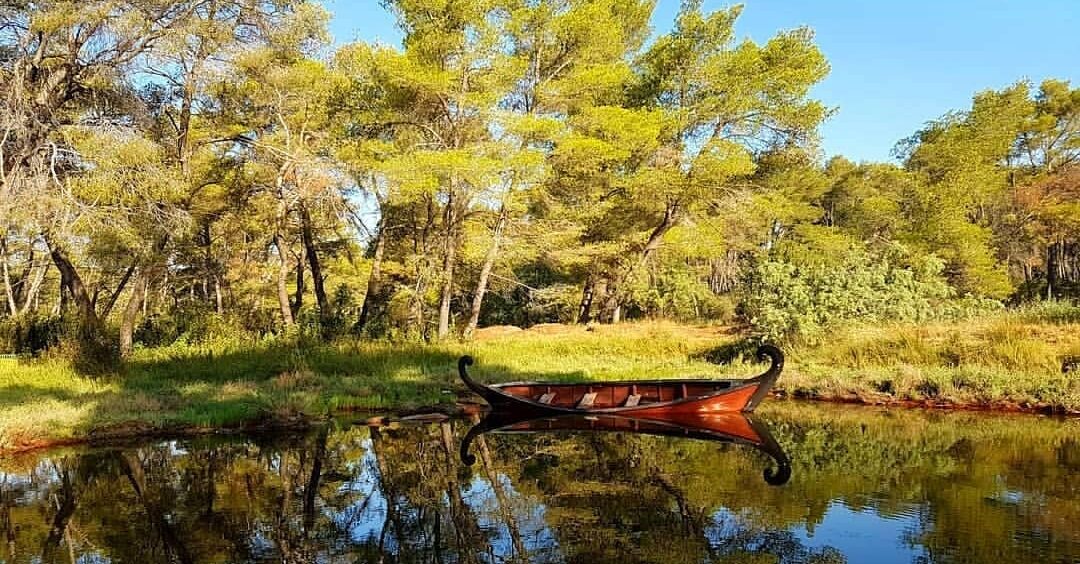
Divjakë-Karavasta National Park is located 90 km from the capital city of Albania. It is bordered by the Shkumbin River to the north, the Divjakë hills to the east, the Myzeqe Canal and Seman River to the south, and is bathed by the Adriatic Sea to the west. This park is the largest non-coastal wetland complex in Albania, consisting of four lagoons (Karavasta, Godullat, Godullat e Pishës, and Spiaxho) with a total area of approximately 5,000 hectares. The park can be accessed...
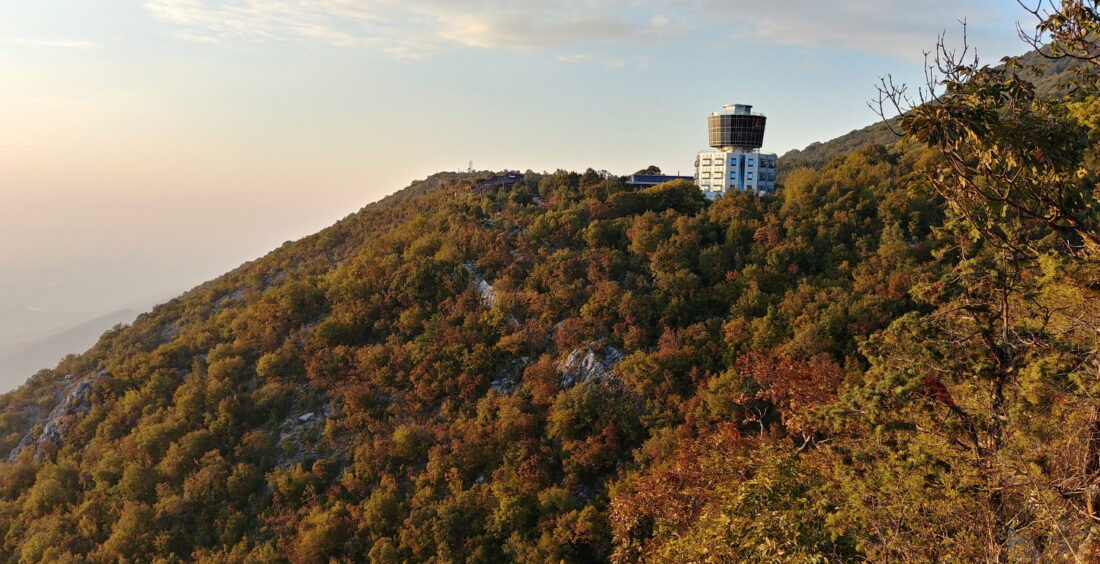
Dajti National Park is located 26 km east of Tirana. It covers an area of 3,300 hectares on the Dajti plateau. This park attracts many visitors and is a suitable destination for family picnics, sports, games, and other interesting activities. Dajti Park boasts a rich flora and fauna. Its dense vegetation makes it one of the greenest areas in the country. The park is known for its forests, which feature three distinct plant layers: Mediterranean shrubs with two sub-layers (evergreen...
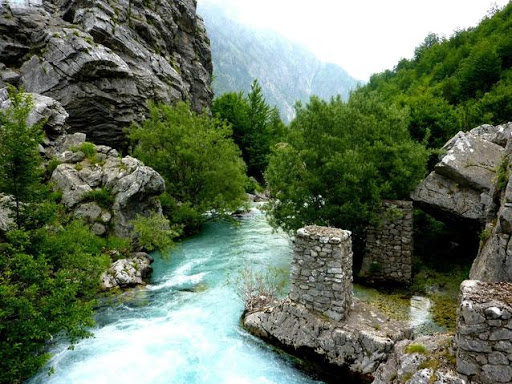
It is located in the Kukës Region, within the Tropoja district, approximately 25-30 km northwest of the town of Bajram Curri. The area lies amidst tall and rugged peaks, covered in a fantastic array of colors that change with every season, creating the image of a valley full of labyrinths and surprises. Covering an area of 8,000 hectares, it is considered the jewel of the Albanian Alps. The climate is mountainous but sunny during the summer. Temperatures are never excessively high...
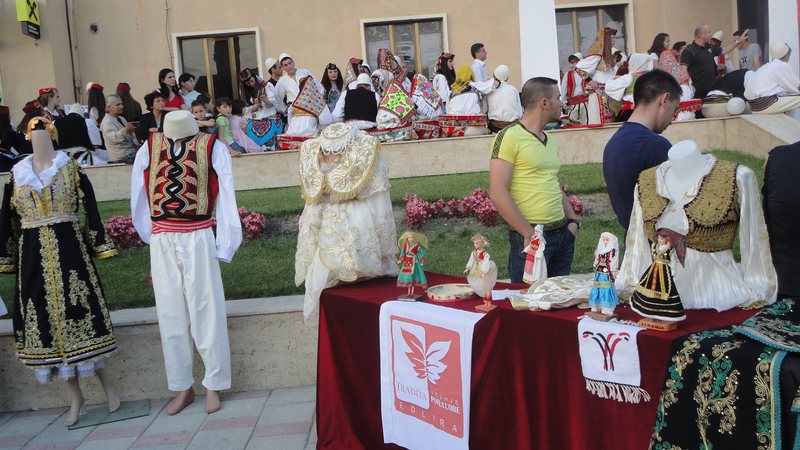
Shkodra, a 2500-Year-Old City with an Ancient Cultural Tradition The city of Shkodra is known as a city with a rich and ancient cultural heritage. In the diversity of the constituent elements of its culture, what gives a unique style is the artisan culture of the people of Shkodra developed in the direction of processing various metals such: wood, metal, and leather, which were typically worked on by men. Women, on the other hand worked mainly in embroidery of clothes, creating...
Handcrafted works are considered a precious asset that reflects the values, culture, and identity of our country. Although in Fier, it seemed as if this tradition had disappeared, today, younger generations are trying to preserve it through clay work, crocheting, or even embroidery, where motifs from the past are intertwined with the present. In the past, pottery production was one of the most important crafts to meet daily needs, including construction materials (tiles, bricks), storage containers (pitosa, amphorae), kitchen utensils, art...
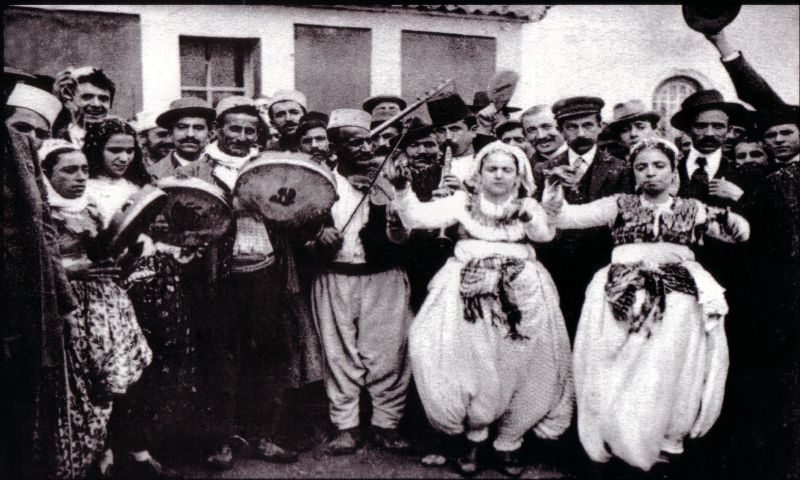
In the past, there were different rites for weddings and each action had a special symbolism. The wedding ceremony included: Cutting Day, Wood Day, Dough Day, Bridal Garment Day, and Marriage Union. The appointment of the wedding day according to different provinces was called: “orok”, “cut of the day”, “prema e vade”, “cut of the word”. It was thought that postponing this day brought bad luck, so even death did not postpone marriage. Wood day was called the day when they went to...
Reçi, a village located among the hills in the Shkreli valley, is known for its large variety of aromatic medicinal plants, but chestnuts represent its real distinguishing feature. The first chestnut trees, which have survived to this day, were planted about 250 years ago, while today this fruit is the biggest source of income for the local community. Therefore, it has already been done that every year, at the end of October, the “Chestnut Festival” is organized, which is dedicated to the...
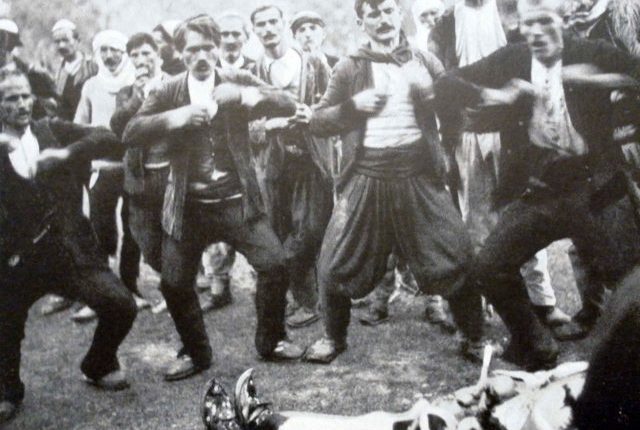
In the totality of the historical-cultural phenomena of the tradition, syncretized in the spiritual life of our people, a very special place is occupied by popular laments for death, for the deceased and his escort to the grave. In our folkloristics, the first lament we know is “Ajkuna weeps for Omer”, her son killed in the war. The first lament songs were structured and began with rhetorical questions like “why are you leaving life?”, ending with the further activities of the other...