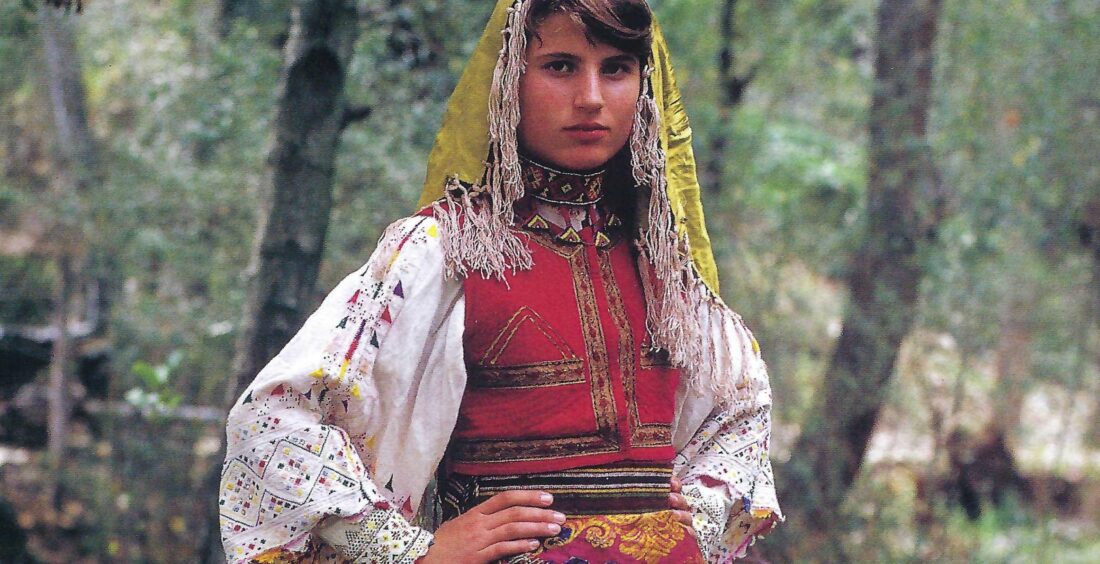
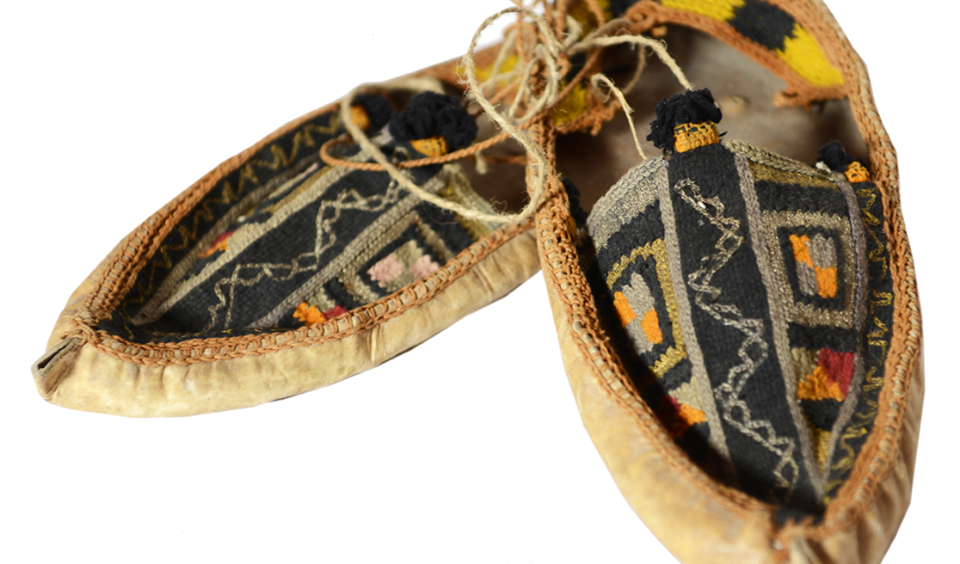
Folk costumes have been elaborated over the centuries, preserving ancient features related to the early Balkan and Mediterranean cultures, to the Illyrian and Arbian cultures of the Middle Ages. The opings used by the Albanians represent a very ancient element of folk clothing inherited from an old Illyrian substrate. In the simplest variants, they are made of a single piece of leather which makes up both the bottom and the top, covering only the toes. With a system of leather straps and...
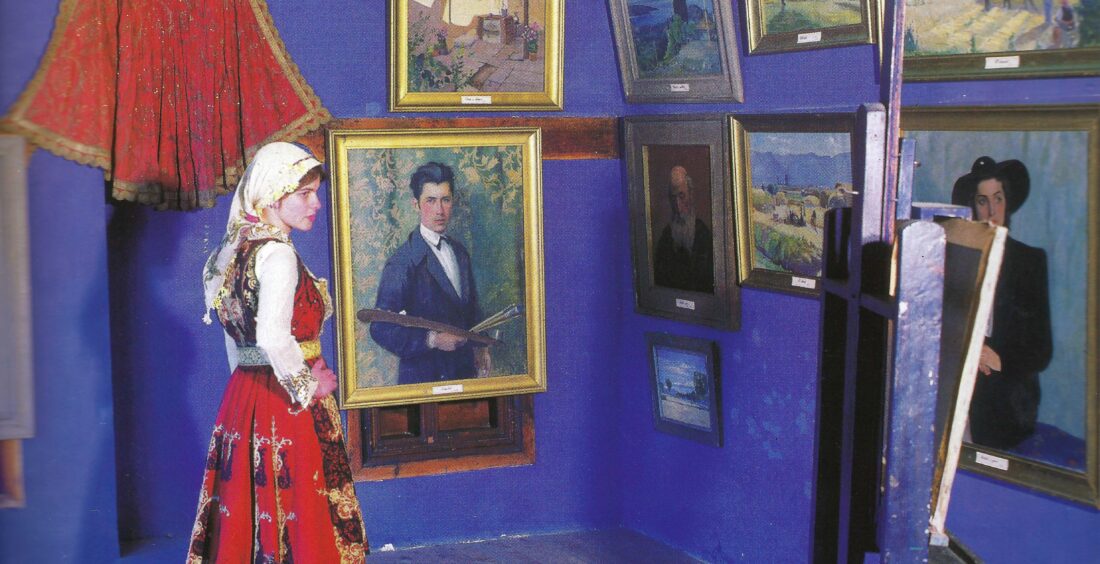
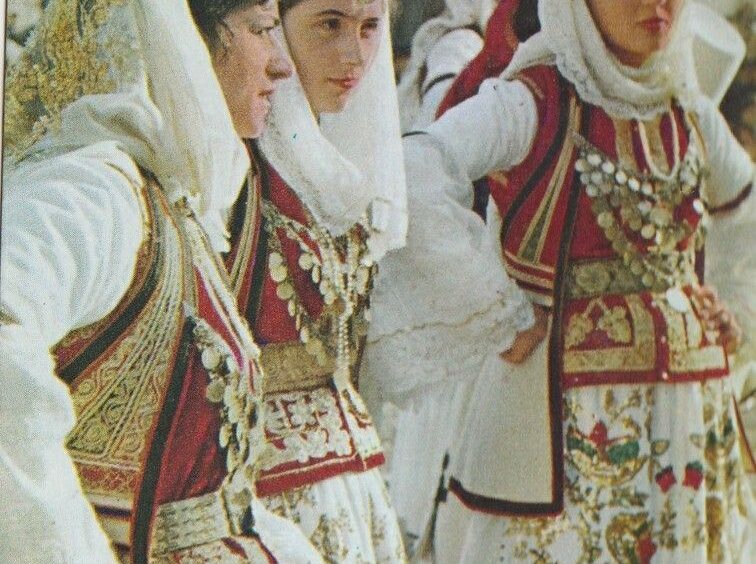
In the district of Vërçë, the grave dressing is visible until World War II and in a village and later. Its main part was the line, the wide skirt of cotton fabric and the waistcoat, the front of which was decorated with metal coins. The women of Vërca wear simple scarves on their heads decorated with beads, beads and sequins. Under the influence of the Islamic religion in this Muslim area, they also have dolloms, jhybes (xhybe), and a part of tumans. #foogallery-gallery-10380 .fg-image...
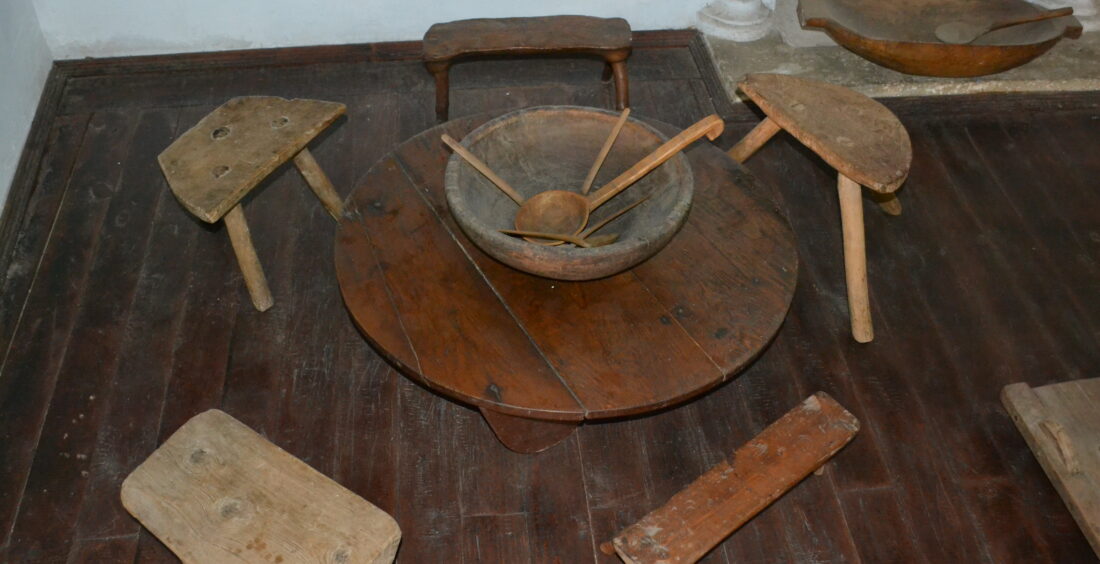
In the XVI-XVII centuries, as evidenced in several documents, when Albanians sat down to eat, in most cases, they used wooden tables of different sizes. Until the First World War, there were still deep, poor areas that used wooden bowls, spoons, and water containers. In the more developed areas, along with glazed ceramic vessels, such as pitchers, bardhaks, vorbes, jugs and pots, corn jars, and bowls, they also used copper vessels, but well tinned, as well as brass saucers. In the village,...
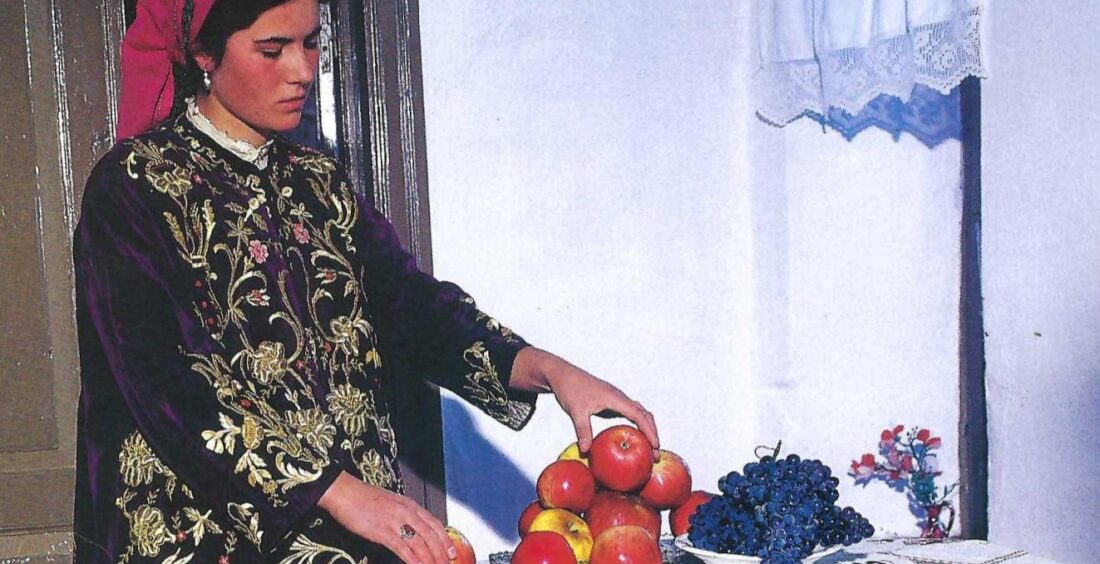
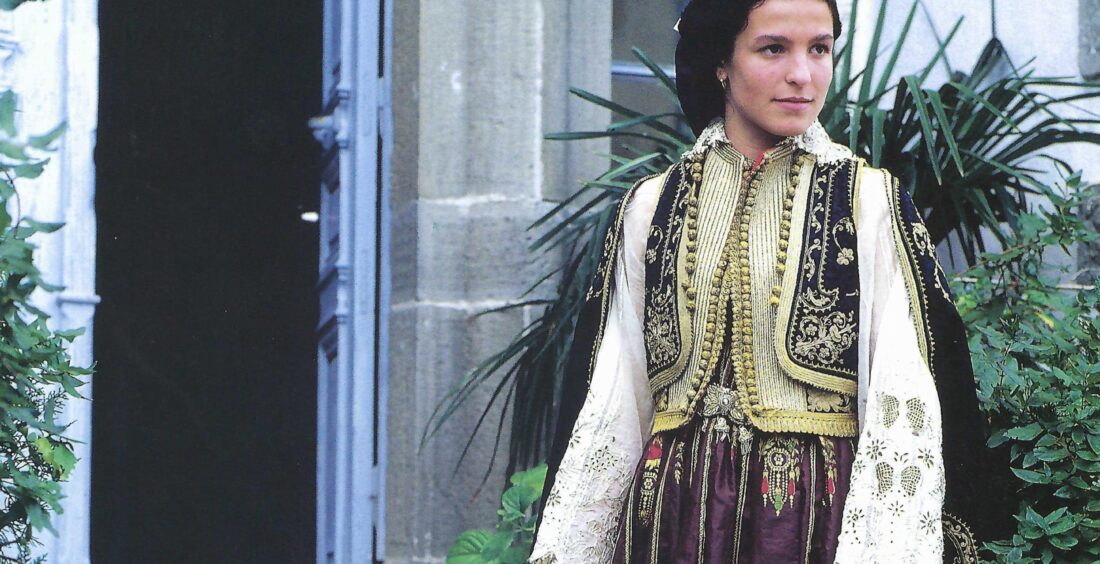
The city of Leskovik was inhabited by a wealthy class, consisting of landowners who maintained relations with the most prominent cities of Albania and beyond. The clothing of the wealthy women of this city is distinguished by long velvet dresses adorned with gold threads, or velvet skirts and jackets. These outfits were accompanied by embroidered vests and belts with gold. In Leskovik, Muslim women also wore çitjanet (a type of trousers), accompanied by dolloma (a type of robe), xhybe (a long outer...
Përmet is located in the southern part of Albania, on both sides of the upper course of the Vjosa River. In the Përmet region, at the end of the 19th century and the beginning of the 20th century, six distinct costume areas were identified: Shqeria, Dangëllia, Cerja, Rrëza, Dëshnica, and Malëshova (also known as Labe). It should be noted that, in general, the traditional clothes of the Përmet region, for both women and men, had similarities not only among the different...
Since the population of Korça consists of both Muslims and Christians, there have been differences between the traditional clothing of the two faiths. In rural areas, these differences persisted, whereas in the city, from the last quarter of the 19th century, urban attire became the same for both Muslims and Christians. Since then, young women from Korça, whether Christian or Muslim, dressed according to the European fashion of the time, wearing woolen and silk dresses, long and wide skirts, polkas and tunics...
Dropullite folk dances are accompanied by homophonic songs (with lyrics). These dances connect people both physically and spiritually, which is why festivals are the best events in people’s lives, as they incorporate traditions and the joys of everyday life. The “double dance” is an emotional dance that is performed in a circle, tracing its origins back to the 5th century BC. According to Homer’s Iliad, the dance leader, followed by 50 people, would dance in honor of Dionysus (the god of...
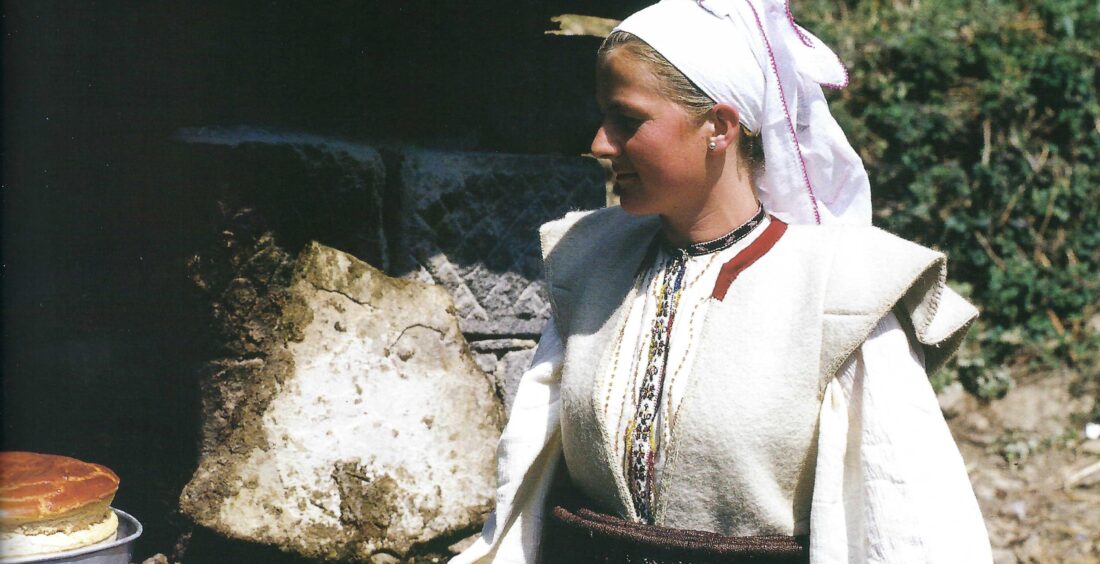
Mokra is located in Southeastern Albania in the Pogradec region. The clothing of the women of this province is kept in two variants: the clothing of Orthodox women and the clothing of Muslim women. The basic elements of Orthodox women’s dress were the ankle-length shirt, with kinda on both sides, with long, embroidered sleeves. Other parts of the clothing were the cibuni, the naca (the apron with two sheets of ancient fabric with horizontal stripes), the belt, the socks and the...
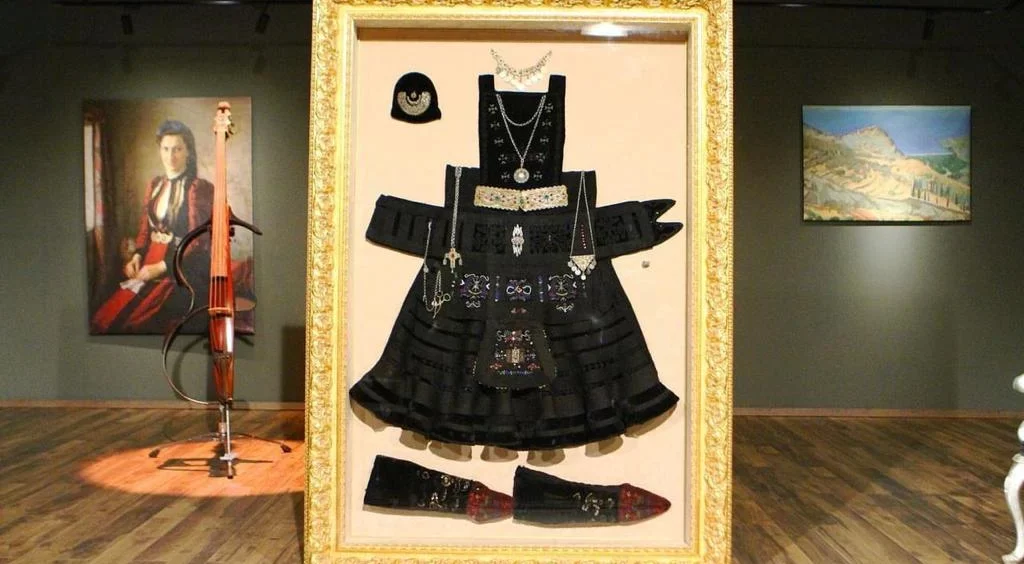
The xhubleta of the Highlands is a clear legacy of our Illyrian heritage, passed down by the highland women until the 1950s-1960s, making it one of the identifying elements of traditional Albanian dress, characterized by motifs with the emblem of the eagle. While the history of other ancient peoples was preserved in “hieroglyphs” carved in stone and other circumstantial tools, for the Illyro-Albanians, this history was preserved and “embroidered” in the messages, colors, symbols, and figures of the xhubleta. Who hasn’t...
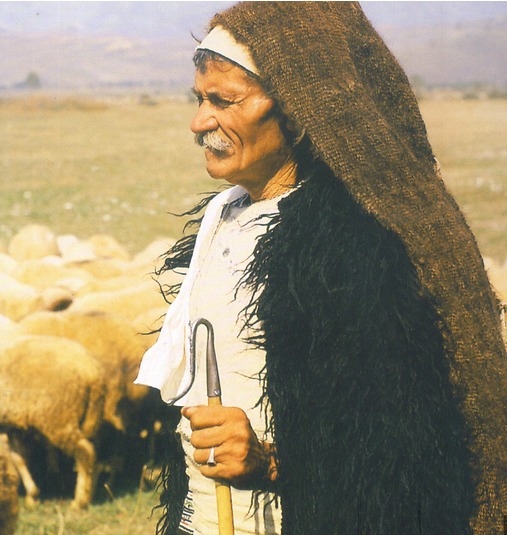
Outerwear that was thrown over the shoulders in bad weather has been widely used by the rural population of our country. A cover to protect against the rain was also the llabania, a hood made of dry shajak, which was placed on the head and extended back to the back almost to the waist and below. The written sources from ancient times on one hand, and the archaeological monuments on the other, are sufficient to prove the Illyrian character of this garment. Among...