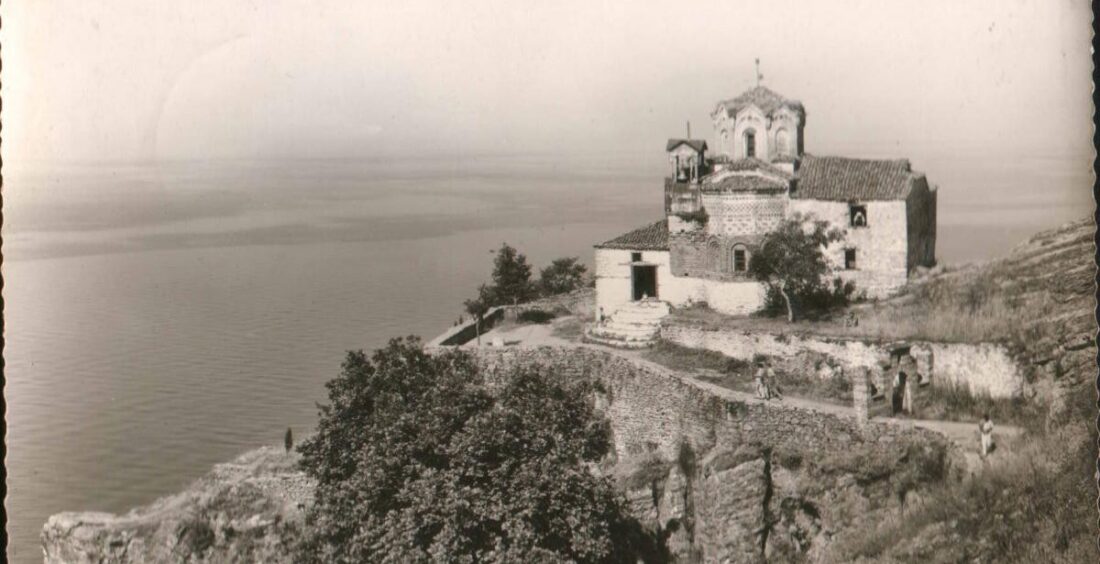
Full of beauty and legends, Lake Ohrid remains among the best attractions in the country. A legend about this Lake says: “When God created Lake Ohrid he said: ‘I created the most beautiful Lake on the planet. However, the people here are very sinful. As a result of sin, he will also create a monster’ and God did so. None of the people knew what monster God would create. That’s why everyone was afraid to live near this Lake. One...
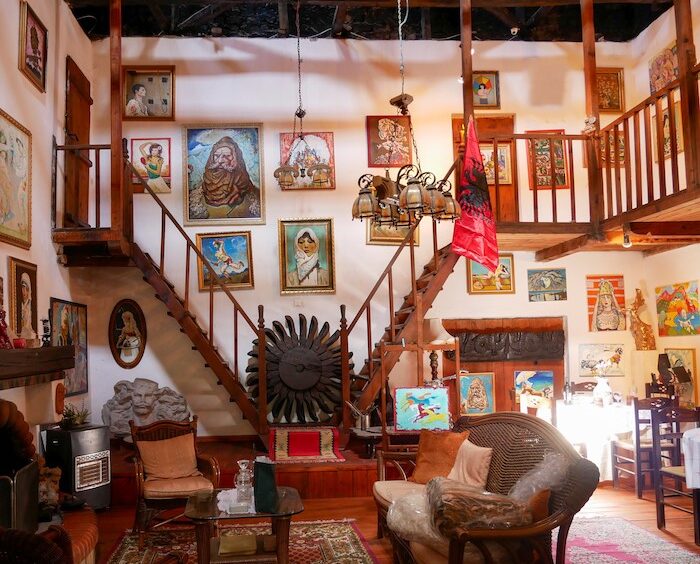
The house of the Painter Sali Shijaku, which is considered the oldest house in the Balkans, is located in Tirana, on “Siri Kodra” street. Its construction with stone wall, adobe and wooden skeleton belongs to the year 1400. Once this building functioned as a Turkish hospital. On the first floor, there is the waiting room where various activities took place near the fireplace, and the place is filled with rare paintings. The second floor houses bedrooms, also filled with paintings and...
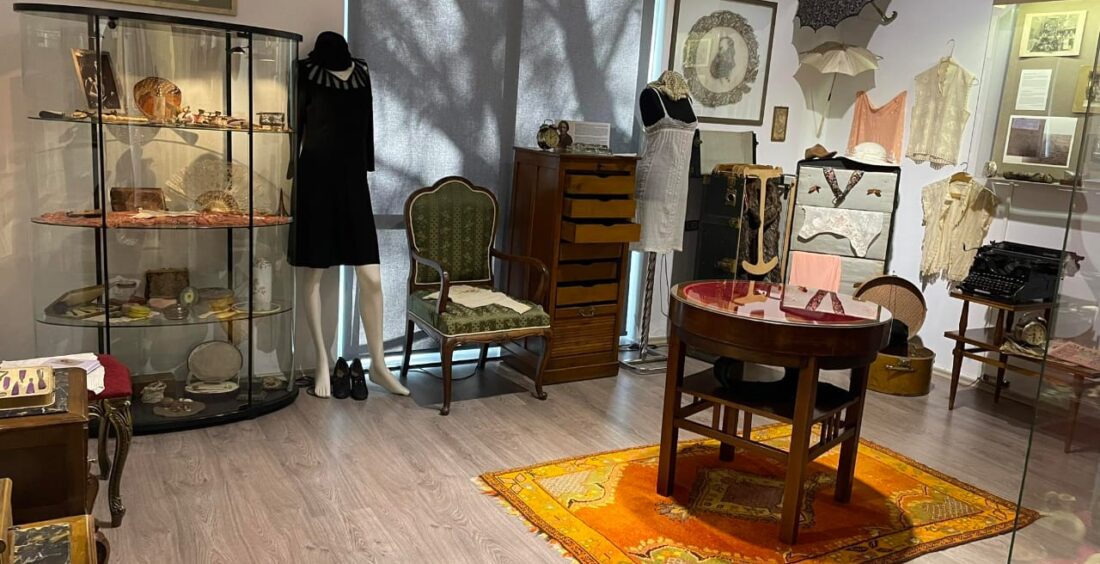
This unique museum in its kind was built with passion and dedication in Tirana, where through the rare collection of facts and objects, it describes the life of the Albanian woman from antiquity to the dictatorship era. Part of this museum are clothes, items of daily life, dishes, household appliances, photographs, documents, newspapers, magazinës, all focusing on the figure of the Albanian woman. The communist era stands out in the museum with objects and information about women’s lives in family and work....
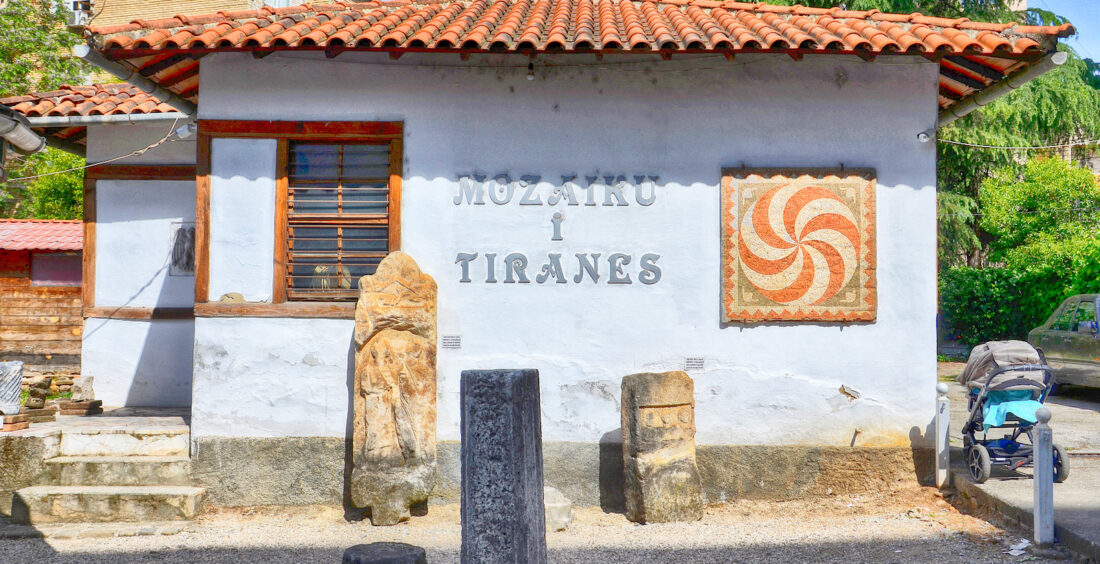
The Tirana Mosaic is the only archaeological monument within the territory of the city of Tirana and one of the most significant historical and cultural evidences of the city. During the works for the construction of a residential building in the “Partizani” block, in 1972, the ruins of an ancient building were encountered, one of whose premises was paved with mosaic. The parts of the walls, the fragments of bricks, the parts of ceramic vessels, the mosaic, dated the settlement to the...
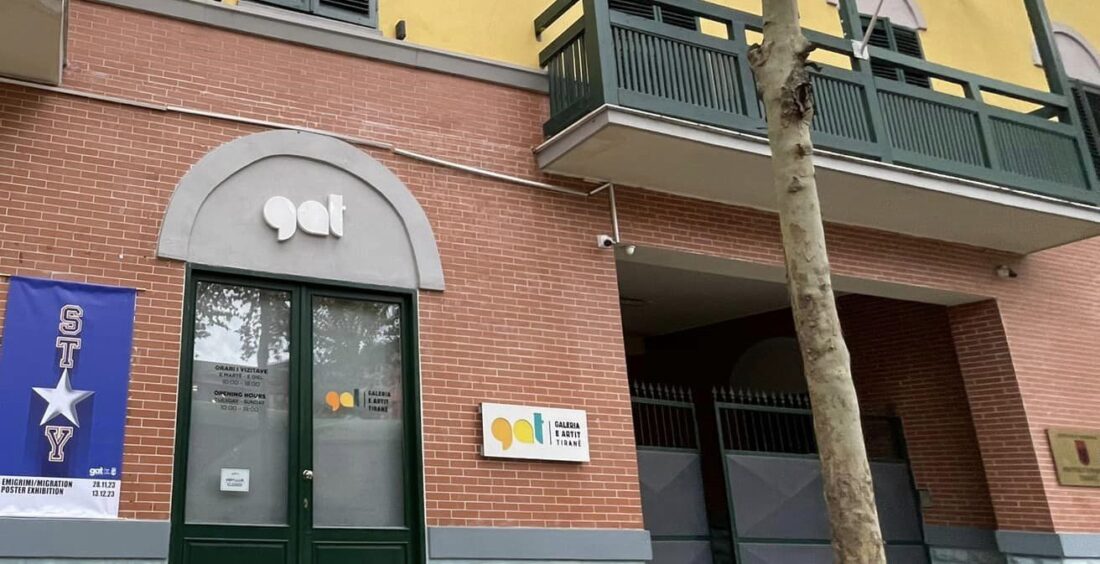
The Art Gallery is a visual art space located in the heart of Tirana. The main mission of this gallery is to connect the community of the capital with the world of art, encouraging the appreciation and understanding of the role of art in society. With the aim of promoting young artists and contemporary art, the gallery offers a wide range of special exhibitions that bring a rich artistic experience to visitors. Within its exhibitions, GAT organizes poetry evenings, as well as various...
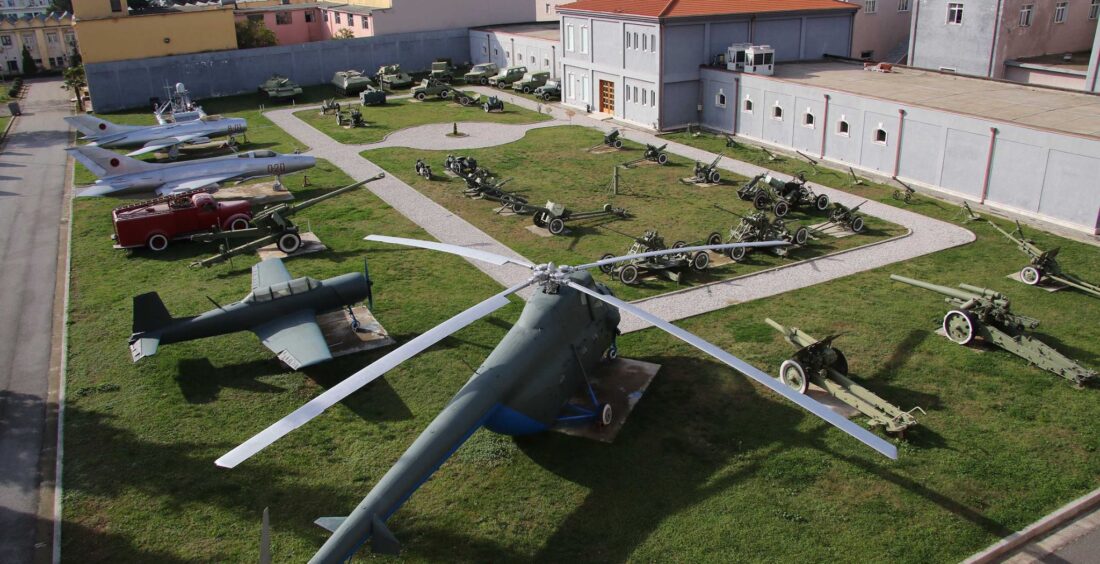
Created in the framework of the 100th anniversary of the creation of the Albanian army, this museum reflects the most significant military events and expresses the identity and development of the Armed Forces of the Republic of Albania. The weapons museum consists of three pavilions: the historical era pavilion, the pavilion of the communist period and the pavilion located outside the museum. The historical era pavilion begins with the period of Skenderbeg, featuring the wooden mace from the 15th century used during...
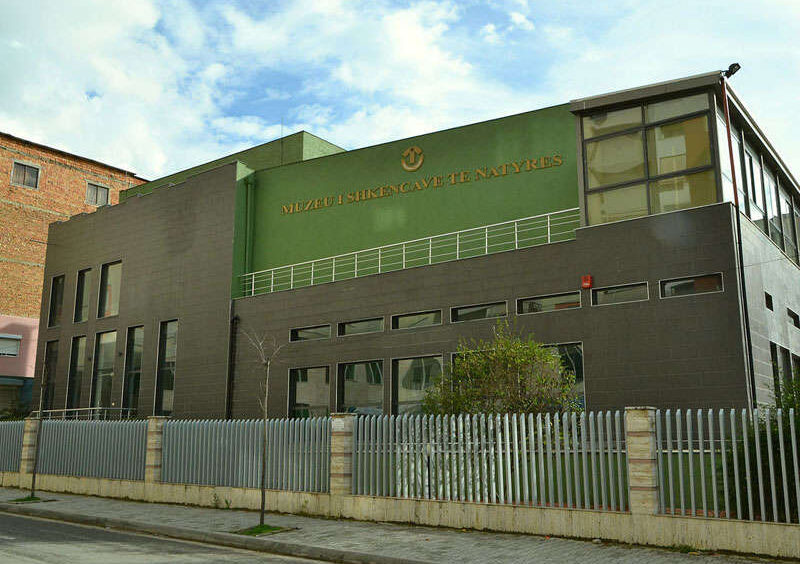
The Museum of Natural Sciences, established since 1948, became part of the Research Center for Flora and Fauna of the Faculty of Natural Sciences in 2010. This museum, which is located in Petro Nini Luarasi Street in the city of Tirana, is an important scientific center specialized in the assessment, monitoring and inventory of the Albanian fauna: Entomofauna (Insects), Herpetofauna (Amphibians and Reptiles), Ornitofauna (Birds), Mammalofauna (Mammals), Macrobentofauna (Molluscs, Crustaceans ) etc. MNS exhibits over 3,000 specimens and has a scientific collection...
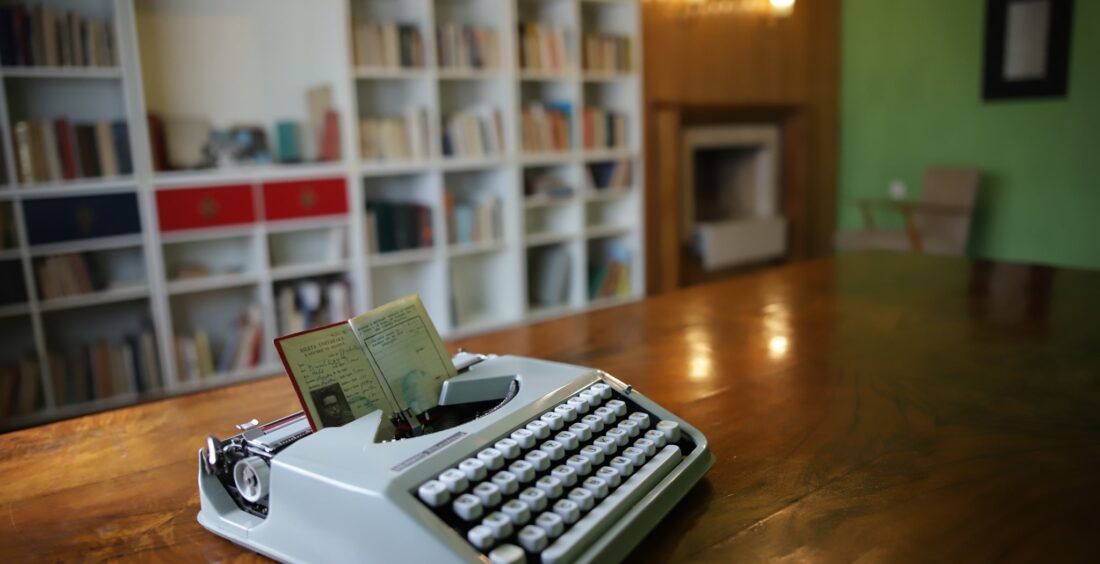
In 2019, Ismail Kadare’s house in Tirana, where he lived and wrote most of his books, was opened to the public. His palace, unpainted, old, typical of the time of communism, reflects the writer’s life during the totalitarian period. Inside the apartment, the exhibition is divided between original documents, objects, books and furniture. The most enjoyable stop is at the writer’s private room, where the titles of books that have influenced Kadare stand out, placed on a white shelf assembled by the...
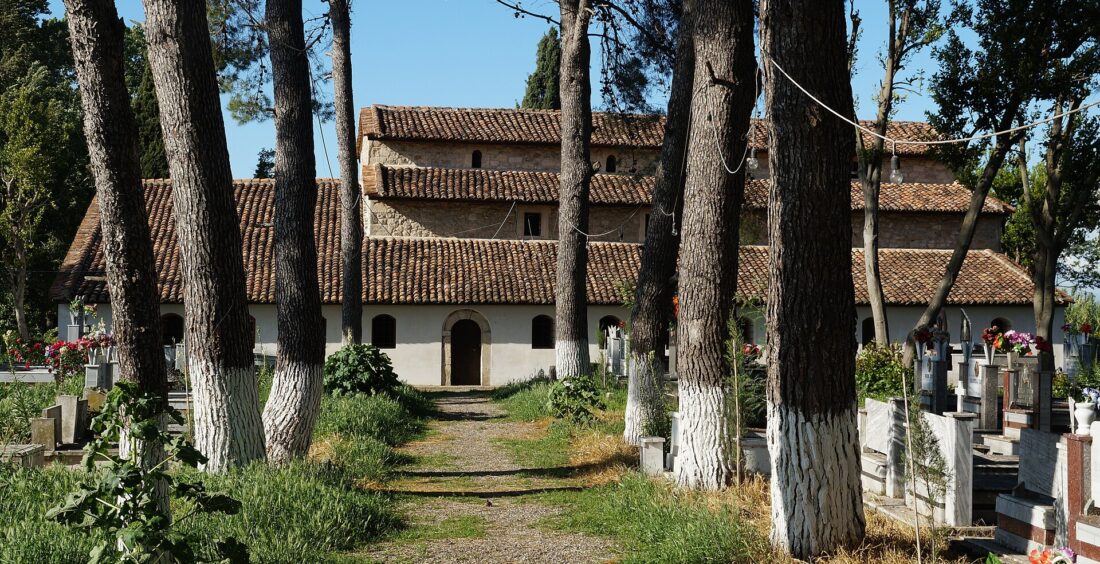
The Church of Saint Thanas is located in the village of Karavasta e Re, near the Karavasta valley. It dates back to the second half of the century. XVIII, in the year 1778. In 1979, the painters from Grabova (Çetitir) Gjergj and Joan Katro painted the church with frescoes. The ceiling is made of coniferous wood, primed and decorated with floral motifs as well as partially carved, mainly in the main rosettes painted with the figure of Christ in the center and...
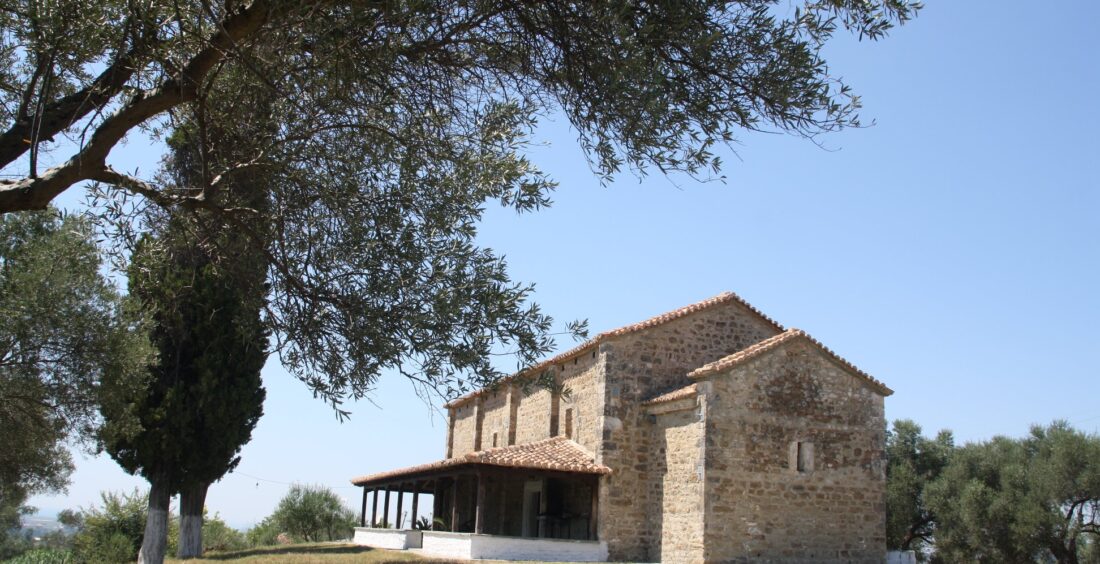
Raised among olive trees, in a hilly area in the village of Çetë i Kavajë, there is one of the most important cult objects in our country, dating from the 13th century. It is the only church with Gothic-Roman architecture remaining in the territory of Albania. The Church of “Saint Friday”, which is also known as the “Church of Ceta” or the “Church of Saint Paraskevi”, over the years has attracted the attention of various researchers, who are interested in some...